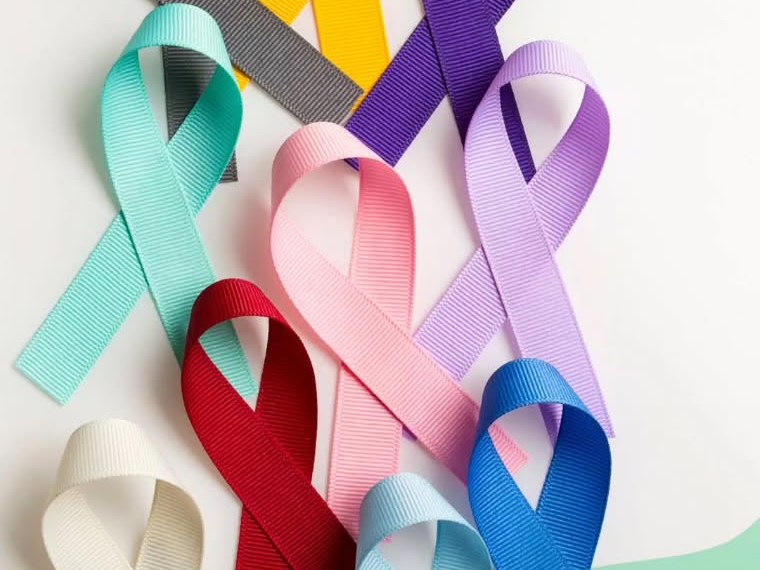
World Cancer Day takes place every year on 4 February.
For many people, it isn’t just a date on a calendar. It’s a diagnosis, a loved one, a loss or an ongoing fight.
At Orchard Rock Training, our work is rooted in care: care for people, for wellbeing, and for creating safer environments where health is protected and lives are valued. So on World Cancer Day, we stand with everyone affected by cancer: those living with it, those supporting someone they love, and those remembering.
What is World Cancer Day?
World Cancer Day is an international day to raise awareness of cancer, encourage prevention and inspire action. The Union for International Cancer Control (UICC) leads it, and it first took place in 2000.
The theme for 2025 to 2027 is “United by Unique”. In other words, it puts people at the centre of care. As the campaign explains, behind every diagnosis is a unique human story, and people-centred care, with compassion and empathy, leads to the best outcomes.
The person before the patient
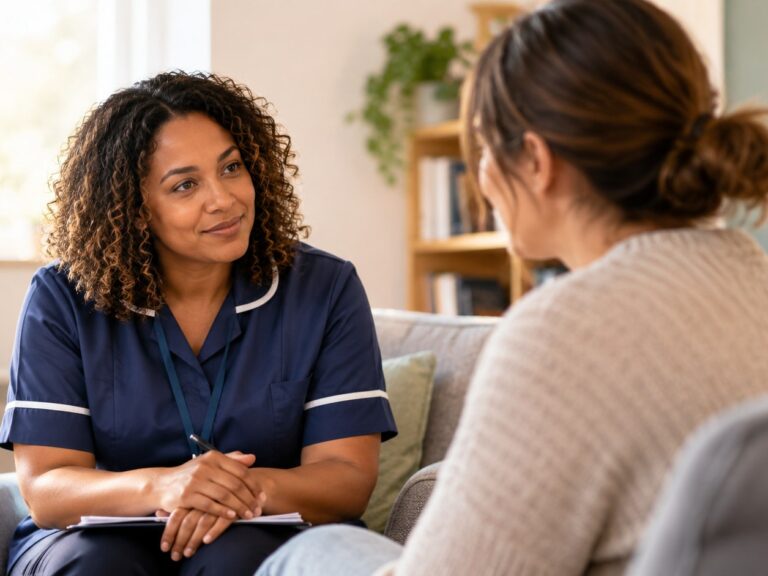
That idea also sits at the heart of good care. For example, two people with the same diagnosis may have very different worries, wishes and needs. One may want to talk about what’s happening, while another may not. One may want family closely involved, another may want privacy.
So for care teams, seeing the person first means:
- Asking, not assuming. First, find out what matters to the person. Then keep their care plan up to date as things change.
- Listening. Give people time to share how they’re feeling, without rushing to reassure or change the subject.
- Respecting choices, including decisions about treatment, daily routines and who is involved.
- Protecting dignity in personal care, especially when treatment or illness changes someone’s body or independence.
Everyday support that makes a difference
- Notice and report changes, such as new or worsening pain, tiredness, changes in appetite or weight, or low mood. Record what you see and tell a senior colleague or nurse.
- Take pain seriously. However, not everyone can say they’re in pain, so watch for signs such as grimacing, restlessness or being withdrawn.
- Be flexible. Treatment can bring fatigue, as well as good and bad days. As a result, adapting routines around energy levels helps people keep doing what matters to them.
- Stay connected. After all, small moments of normality, conversation and company can mean a great deal.
Supporting families and loved ones
Cancer affects the whole family, too. For instance, relatives may be frightened, exhausted or unsure what to ask. Keeping them informed (with the person’s consent), making them welcome and pointing them towards support can make a hard time a little easier.
Looking after each other
Supporting someone through cancer, and sometimes through the end of their life, can be emotionally demanding. That’s why it’s normal for staff to feel the loss of someone they’ve cared for. Because of this, debriefs, supervision and simply checking in with colleagues all help.
Where to find support
The Macmillan Support Line offers confidential support to people living with cancer and their loved ones on 0808 808 00 00.
How training helps
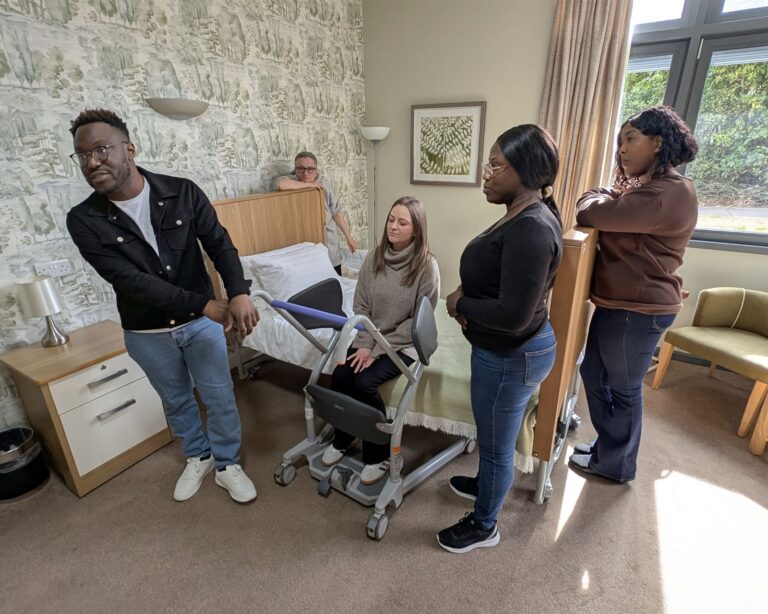
Compassion comes naturally to good carers. However, training adds the knowledge and confidence to act on it. Courses that help include:
- Person-Centred Care (half day): seeing the person before the task, individual values and needs, and supporting wellbeing
- Pain Management (half day): recognising the different types of pain and how pain is assessed and treated
- End of Life Care (half day): the five priorities of care, communication and listening skills, and supporting people at the end of life
- Palliative Lead (full day): the clinical responsibilities of leading end of life care
Sources: World Cancer Day (UICC), About World Cancer Day; Macmillan Cancer Support. Correct as of 16 September 2026.