World Diabetes Day takes place every year on 14 November. It’s a day to shine a light on everyone living with diabetes, and on everyone who supports them.
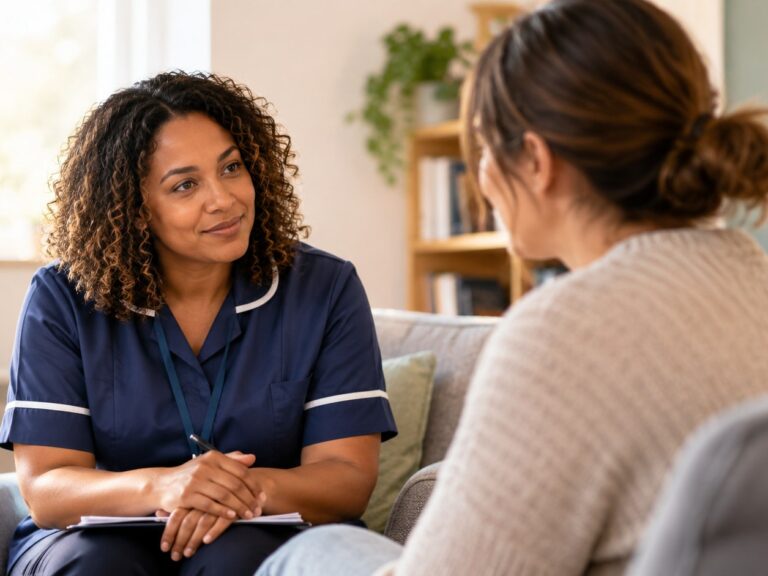
In care settings, it’s often the small things that make the biggest difference. For example, clear communication, confident staff and a calm approach can turn daily tasks into moments of real support.
What is World Diabetes Day?
The International Diabetes Federation (IDF) and the World Health Organization created World Diabetes Day in 1991. Later, in 2006, it became an official United Nations day.
The date was chosen because 14 November is the birthday of Sir Frederick Banting, who co-discovered insulin with Charles Best.
Why it matters in care
Care teams support many people living with diabetes, at home and in care homes. Staff see them every day, so they are often the first to notice when something isn’t right.
That’s why it helps when the whole team understands the basics. Everyone should know how to recognise symptoms early, how to respond safely, and when to get help.
Spotting a hypo (low blood sugar)
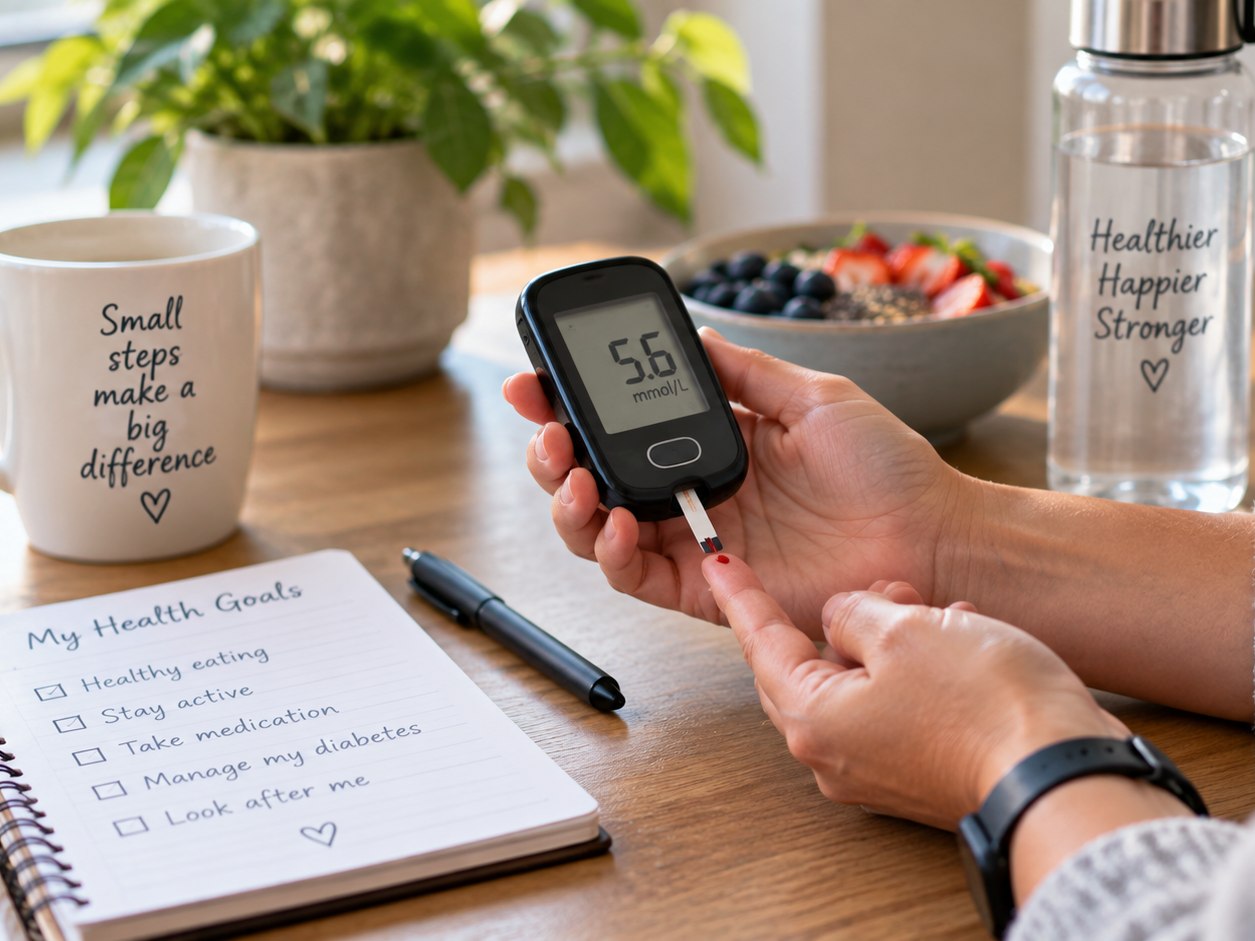
A hypo is when blood sugar drops too low, usually below 4mmol/L. It can happen quickly, so it’s important to act straight away. According to the NHS, early signs include:
- feeling hungry, dizzy, anxious or irritable
- sweating or shaking
- tingling lips
- heart palpitations
If someone’s blood sugar keeps falling, they may have a seizure or become unconscious. However, remember that some people, particularly those living with dementia, may not be able to tell you how they feel. So watch for changes in behaviour too, such as sudden confusion or agitation.
Responding to a hypo
Always follow the person’s care plan and your service’s policy. In general, the NHS advice is:
- Give something sugary that works quickly, such as a small glass of fruit juice or a sugary fizzy drink, or 5 glucose or dextrose tablets.
- Recheck blood sugar after 10 to 15 minutes. If it’s still below 4mmol/L, give another sugary drink or snack and check again after 10 minutes.
- Once they’ve recovered and their blood sugar is above 4mmol/L, offer something that keeps it up for longer, such as biscuits, a sandwich or their next meal if it’s due.
If the person is unconscious, don’t give them anything to eat or drink, because they can’t swallow safely. Instead, put them in the recovery position. Give a glucagon injection straight away if one is available and someone trained knows how to use it. Call 999 if there’s no glucagon, or if they haven’t recovered within 10 minutes of the injection.
Spotting high blood sugar
High blood sugar (hyperglycaemia) usually develops more slowly. For instance, the NHS lists feeling very thirsty, peeing a lot, feeling weak or tired, blurred vision and losing weight as common symptoms.
It can be triggered by being unwell, stress, eating more sugary or starchy food, being less active than usual, or missing doses of diabetes medicine. If blood sugar stays high, report it and contact the person’s GP or diabetes team.
Some signs need urgent help. Call 999 if someone is being sick or has stomach pain, is breathing faster than usual, is drowsy or confused, or their breath smells fruity (like pear drop sweets). These can be signs of diabetic ketoacidosis, which is a medical emergency.
Everyday support that makes a difference
- Regular meals and drinks. Consistent mealtimes and healthier choices help keep blood sugar steady.
- Medicines on time. Missed or late doses can affect blood sugar levels.
- Foot and skin checks. Diabetes can affect circulation and nerves, so report any cuts, sores or changes in the feet.
- Clear records. Write down readings, symptoms and what you did, and hand over any concerns.
- Involve the person. Support people to make their own choices, and explain things clearly and calmly.
How training helps
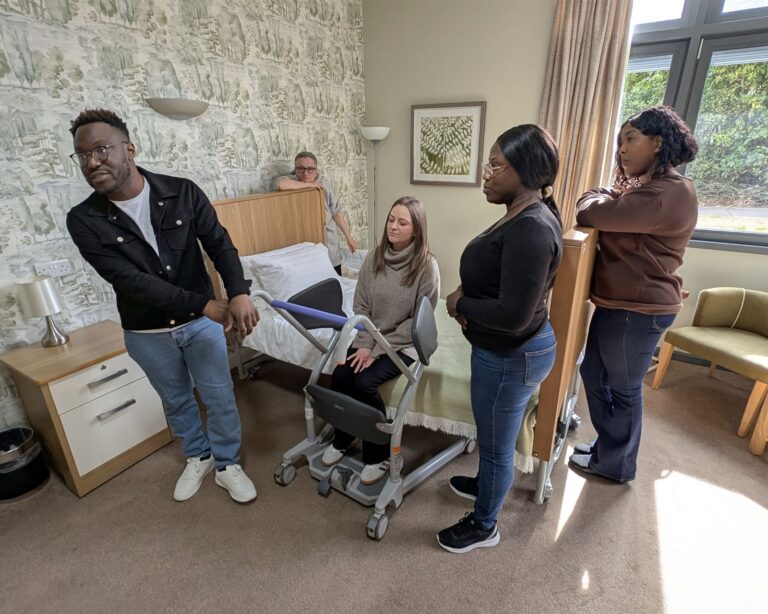
Better understanding leads to better care, and a better quality of life for the people you support. Courses that help include:
- Diabetes Awareness (half day): types of diabetes, symptoms, hypos and hyperglycaemia, monitoring and long-term complications
- Diabetes Advanced Care (half day): diagnosis and testing, blood glucose monitoring and insulin
- Nutrition & Hydration (half day): the principles of good nutrition and hydration
Here’s to every carer, nurse and support worker who goes the extra mile. Your work matters more than you know.
Sources: World Diabetes Day (IDF), About World Diabetes Day; NHS, Low blood sugar (hypoglycaemia) and High blood sugar (hyperglycaemia). Correct as of 16 September 2026.