
Responding to Emergencies
Responding to emergencies training helps your team recognise a developing emergency and respond quickly and safely. They learn who to inform and how to record what happened, in line with UK legislation, NICE guidance and Resuscitation Council UK guidelines. Delivered on-site by our experienced trainers, with practical work wherever the subject allows.
About the course
Recognise a developing emergency and respond safely
By the end of the course, delegates will:
- Explain why responding well to emergencies is a legal duty, not just good practice
- Know your own role, and who else to inform, and in what order
- Recognise the different types of emergency your service may face, including fire
- Spot the early signs of a deteriorating resident, including sepsis and delirium
- Respond safely to seizures, diabetes emergencies, and breathing and heart problems
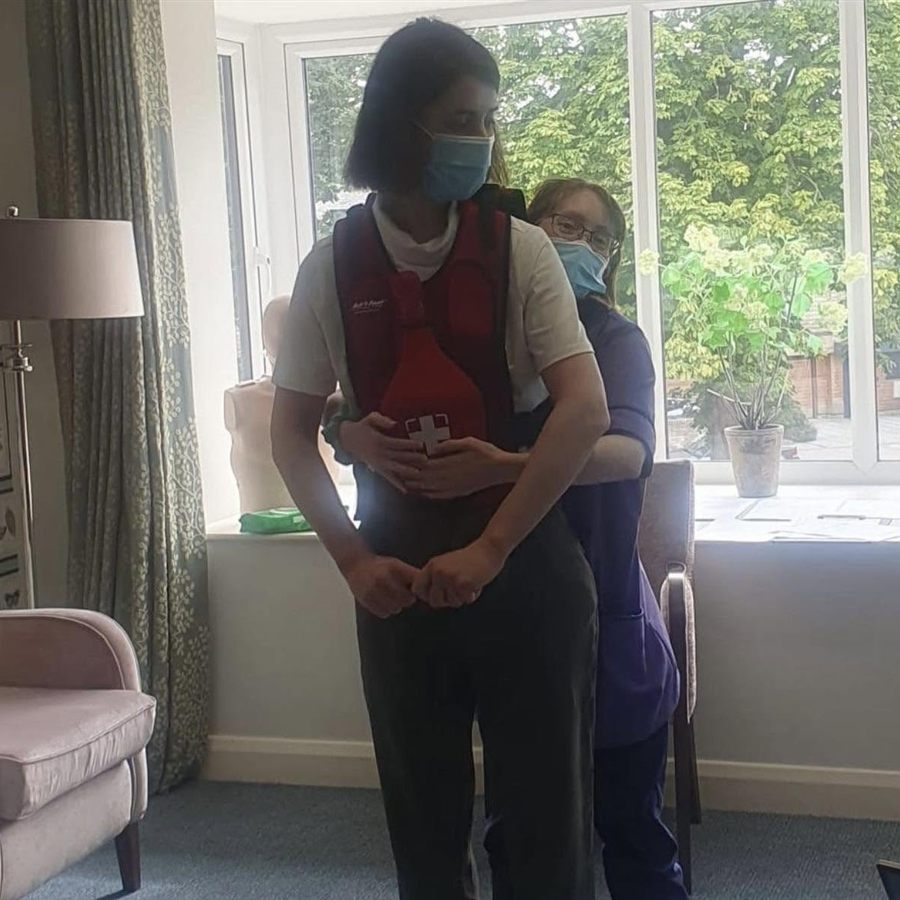
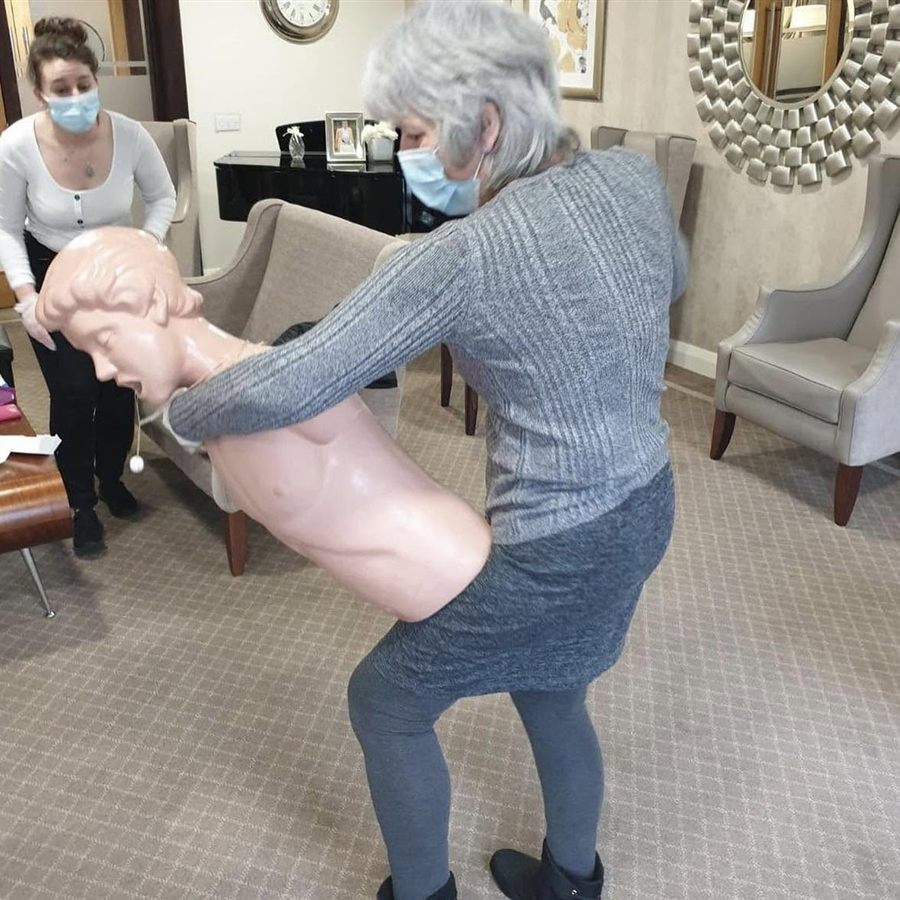
- Respond safely to choking and severe bleeding
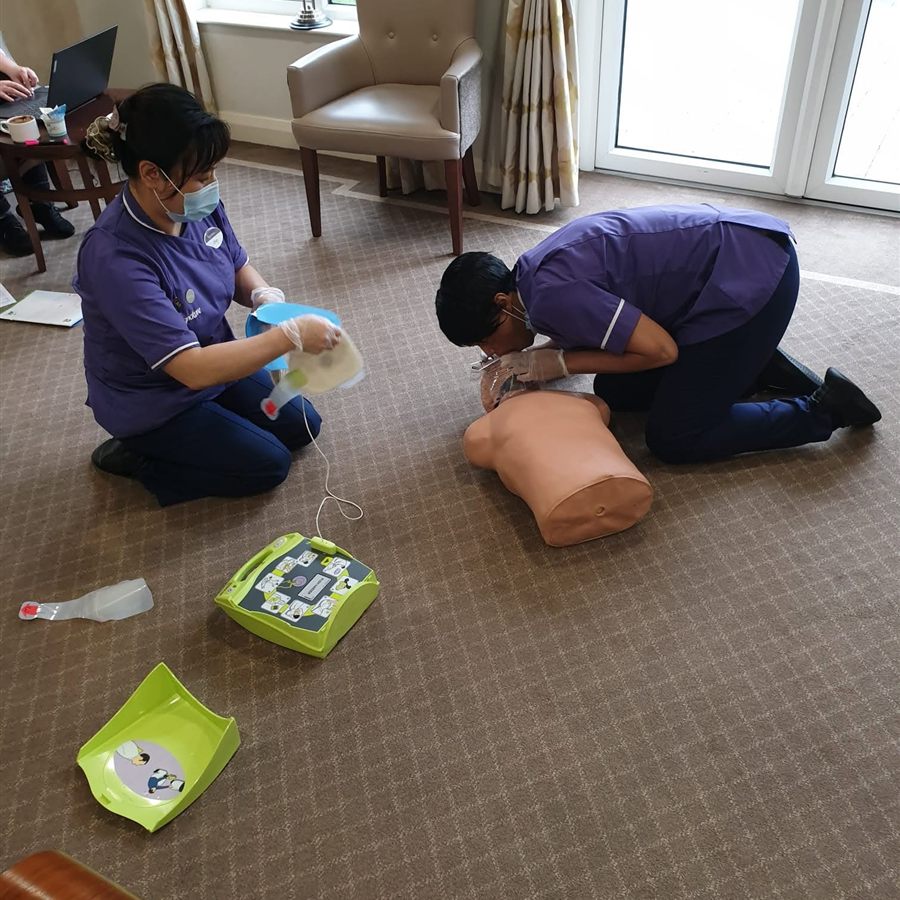
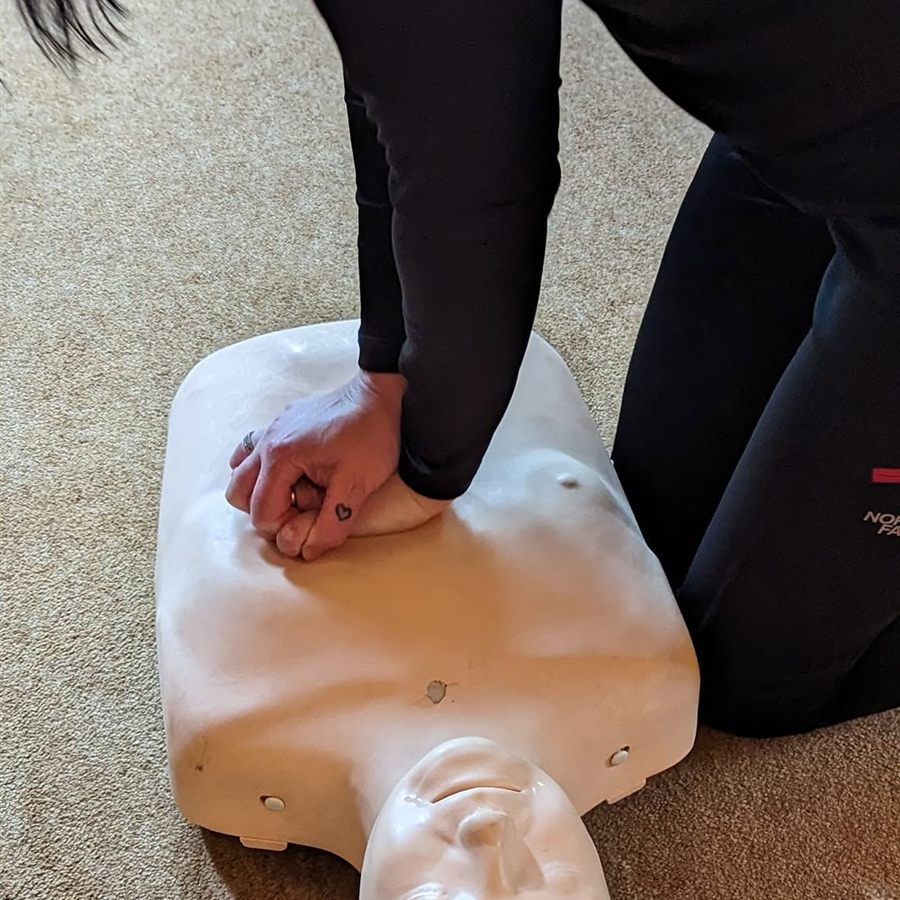
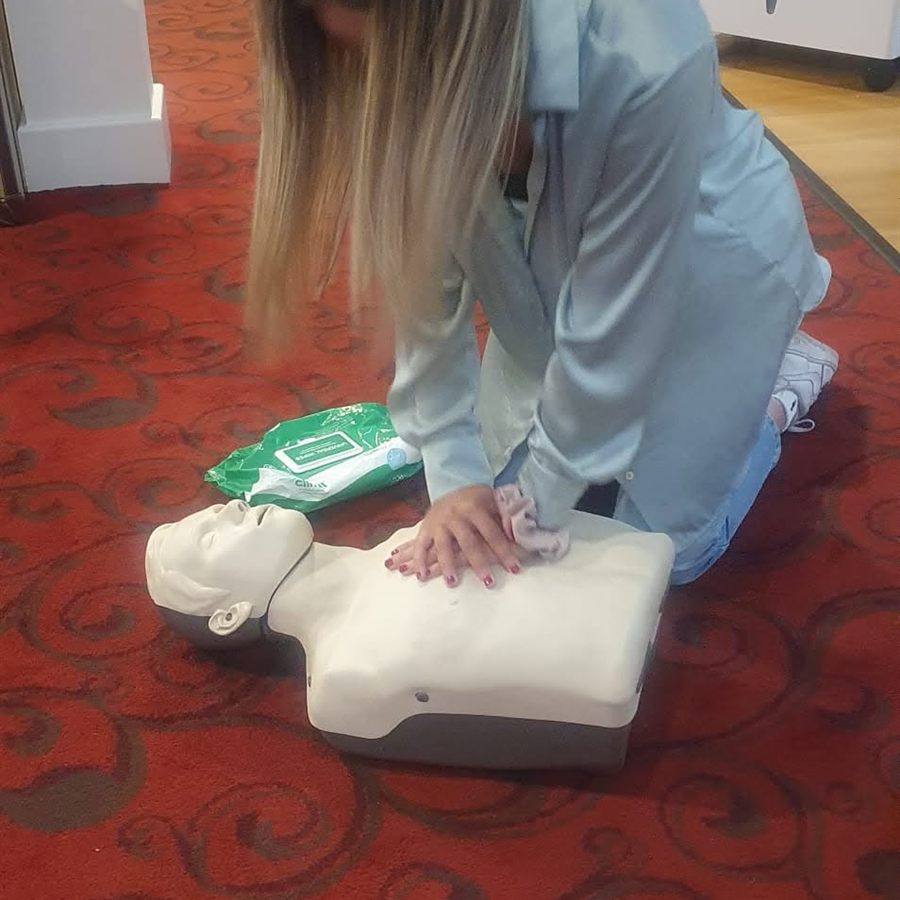
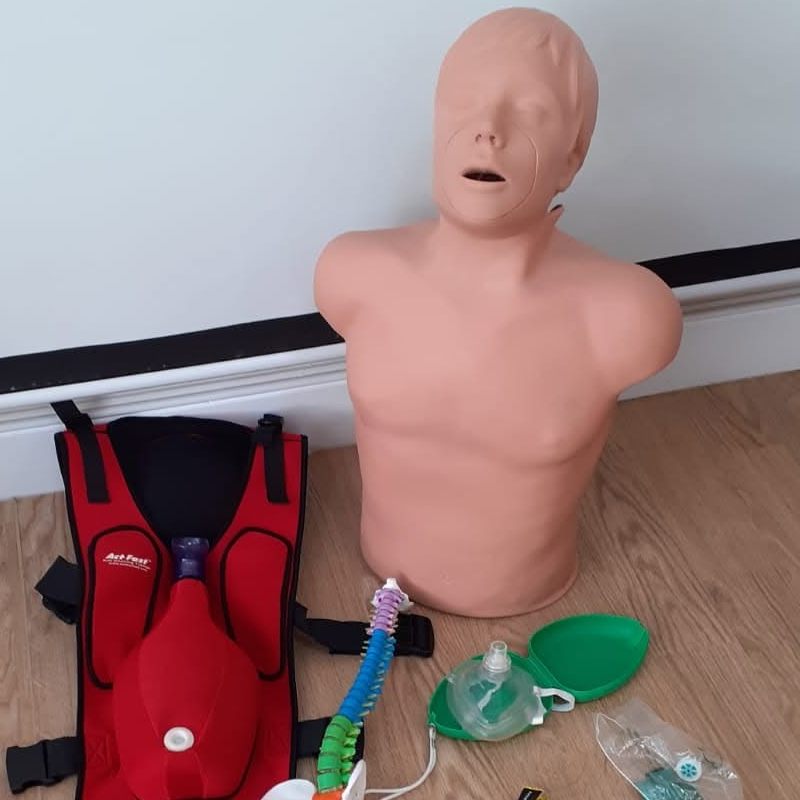
- Perform CPR and use a defibrillator with confidence
- Understand what a DNACPR decision means, and does not mean, and what ReSPECT is
- Support a safe, well-documented admission to hospital
What you’ll cover
Full course content
Everything the course covers, exactly as our trainers deliver it:
Why Responding Well Matters
- What is an emergency?
- Legal duties
Roles and Responsibilities
- Management responsibilities
- Staff responsibilities
Types of Emergency, and Fire Safety
- Categories of emergency
- Fire safety law
- Personal emergency evacuation plans (PEEPs)
- Responding to a fire
Who to Inform, and When
- Contacts
- When to call 999 or 111
- Notification duties
Recognising a Deteriorating Resident
- Structured deterioration tools
- Recognising sepsis
- Recognising delirium
Seizures
- Status epilepticus
- First aid
- When to call 999
Diabetes Emergencies
- Hyperglycaemia, DKA and HHS
- Hypoglycaemia
Breathing and Heart Emergencies
- Respiratory emergencies and cyanosis
- Recognising a heart attack
- Cardiac arrest
Choking and Bleeding
- Recognising and responding to choking
- Managing external bleeding
- Embedded objects
CPR and Defibrillation
- CPR sequence
- CPR for a child or infant
DNACPR, ReSPECT and Mental Capacity
- What a DNACPR decision means
- Consultation
- DNACPR/ADRT/ReSPECT
Admission to Hospital
- Things to take
- Communication
Keep exploring
Related courses
These subjects sit naturally alongside this course — and we can combine courses into one visit.
Good to know
Frequently asked questions
Where is the training delivered?
All of our training is delivered on-site at your service, anywhere in the UK — we come to you, so there are no travel costs or venue hire for your team.
How long is the Responding to Emergencies course?
It runs as a half day – 3 hours course, delivered in one visit unless stated otherwise.
How many delegates can attend?
Up to 12 delegates per session — we keep practical groups smaller so everyone gets hands-on time.
Is there a practical element?
Yes — delegates practise the techniques hands-on during the course, guided by the trainer.
Do delegates receive a certificate?
Yes — every delegate receives a certificate on completion. We recommend refreshing every two years.
How much does the course cost?
We price every course on application, based on your dates, location and delegate numbers. Use the contact buttons below — we reply quickly with a quote.
Can we combine courses into one visit?
Yes. Many clients build a full training day from shorter courses, and we can deliver several subjects in one visit — just tell us what your team needs.
Do you only train care providers?
No. This course suits care & nursing homes, home care & domiciliary, supported living, day services, hospices. If your sector isn’t listed, ask — we’ll tailor the course to your setting.
Book this course
We bring Responding to Emergencies training to your service
Delivered on-site at your service, nationwide, with pricing on application. Tell us your dates and delegate numbers and we’ll reply quickly with a quote.
Part of our specialist training range. Also explore behaviour management training and mental health training.