
If you’re struggling right now, you don’t have to face it alone. You can call Samaritans free, day or night, on 116 123. If you or someone else is in immediate danger, call 999.
World Suicide Prevention Day takes place every year on 10 September.
It’s a reminder that mental health matters just as much as physical health, and that none of us should ever feel we have to struggle alone.
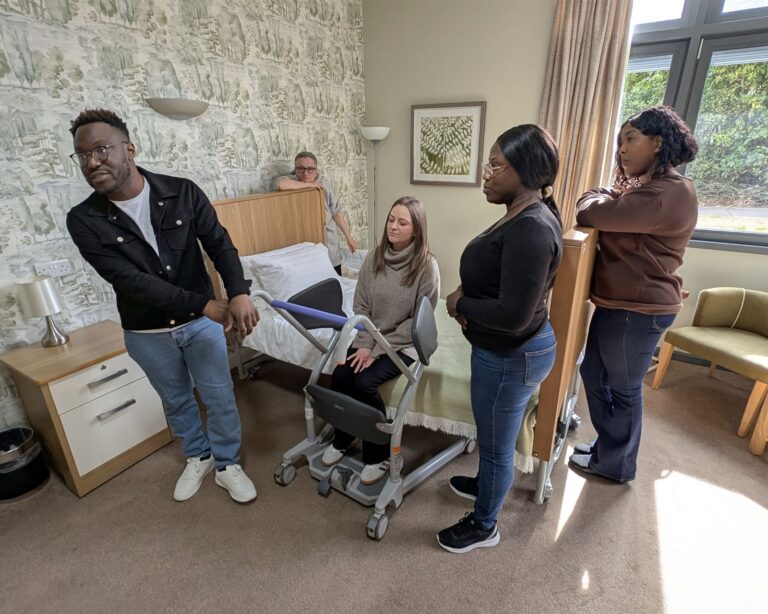
At Orchard Rock, we’re committed to creating safer, more supportive environments, both in care settings and in our local community. With the right training, staff can feel confident to spot the signs, start the conversation and know how to offer help when it’s needed most.
Changing the narrative on suicide
The International Association for Suicide Prevention (IASP) leads World Suicide Prevention Day. Its theme for 2024 to 2026 is “Changing the Narrative on Suicide”.
In short, it’s about moving from a culture of silence to one of openness, empathy and support. IASP also makes an important point: talking about suicidal thoughts does not increase them. So listening without judgement, offering support and guiding people towards help really can make a difference.
Signs that someone may not be OK
Everyone copes in their own way, so there’s no single sign to look for. However, Samaritans suggests watching for things like:
- not wanting to talk to or be with people
- not wanting to do things they usually enjoy
- feeling tearful, restless, agitated or angry
- being tired or lacking energy
- finding it hard to cope with everyday things
- talking about feeling hopeless, helpless or worthless, or trapped with no way out
- changes in routine, such as sleeping or eating more or less than usual
Some situations can also make it harder for someone to cope. For example, bereavement, relationship or money worries, loneliness, bullying or abuse, and painful or disabling illness.
In care, this might be a person you support, a family member or a colleague. You won’t always spot the signs, and that’s not your fault. Still, noticing small changes gives you a chance to reach out.
Start the conversation
- Find a quiet moment and a private space, and give the person your full attention.
- Ask how they’re really doing, and give them time to answer.
- It’s OK to ask directly whether they’re having thoughts of suicide. As IASP says, talking about it doesn’t put the idea in someone’s head.
- Listen without judging or rushing to fix things. Being heard can be a huge relief.
- Help them find support, and don’t promise to keep it a secret if you’re worried about their safety.
Getting the right help
- In a care setting, tell a senior colleague straight away and follow your service’s policies and the person’s care plan.
- For urgent mental health help, call NHS 111 and choose the mental health option, or ask for an urgent GP appointment.
- To talk to someone any time, call Samaritans free on 116 123. Under-19s can also call Childline on 0800 1111.
- If someone’s life is at risk, or you don’t feel you can keep them safe, call 999 or go to A&E.
Looking after yourself
Supporting someone who is struggling can take a lot out of you. So talk to your manager or a colleague you trust afterwards, use any support your organisation offers, and reach out to Samaritans yourself if you need to.
How training helps
Together, we can raise awareness, support one another and play our part in suicide prevention. Training gives teams the confidence to act. Courses that help include:
- Suicide Ideation (part day): understanding suicide ideation and recognising the signs that someone may be at risk
- Self Harm & Suicide Prevention (half day): why people self-harm, the warning signs and how to give person-centred care
- Mental Health First Aid (two days): recognising mental health conditions, responding safely in a crisis and signposting people to the right support
- Mental Health Awareness (half day): what mental health is, why people don’t talk about it, and the different types of mental health conditions
Sources: International Association for Suicide Prevention, World Suicide Prevention Day theme; Samaritans, How to support someone you’re worried about; NHS, Where to get urgent help for mental health. Correct as of 16 September 2026.