8:45: arriving
I arrived just before 8:45. Early enough to look keen, but not so early I’d get handed a mop.
I was armed with my laptop bag, handouts and a dangerously full coffee. The plan was to deliver a full day of Medication Administration training without causing a medical emergency, or a biscuit shortage.
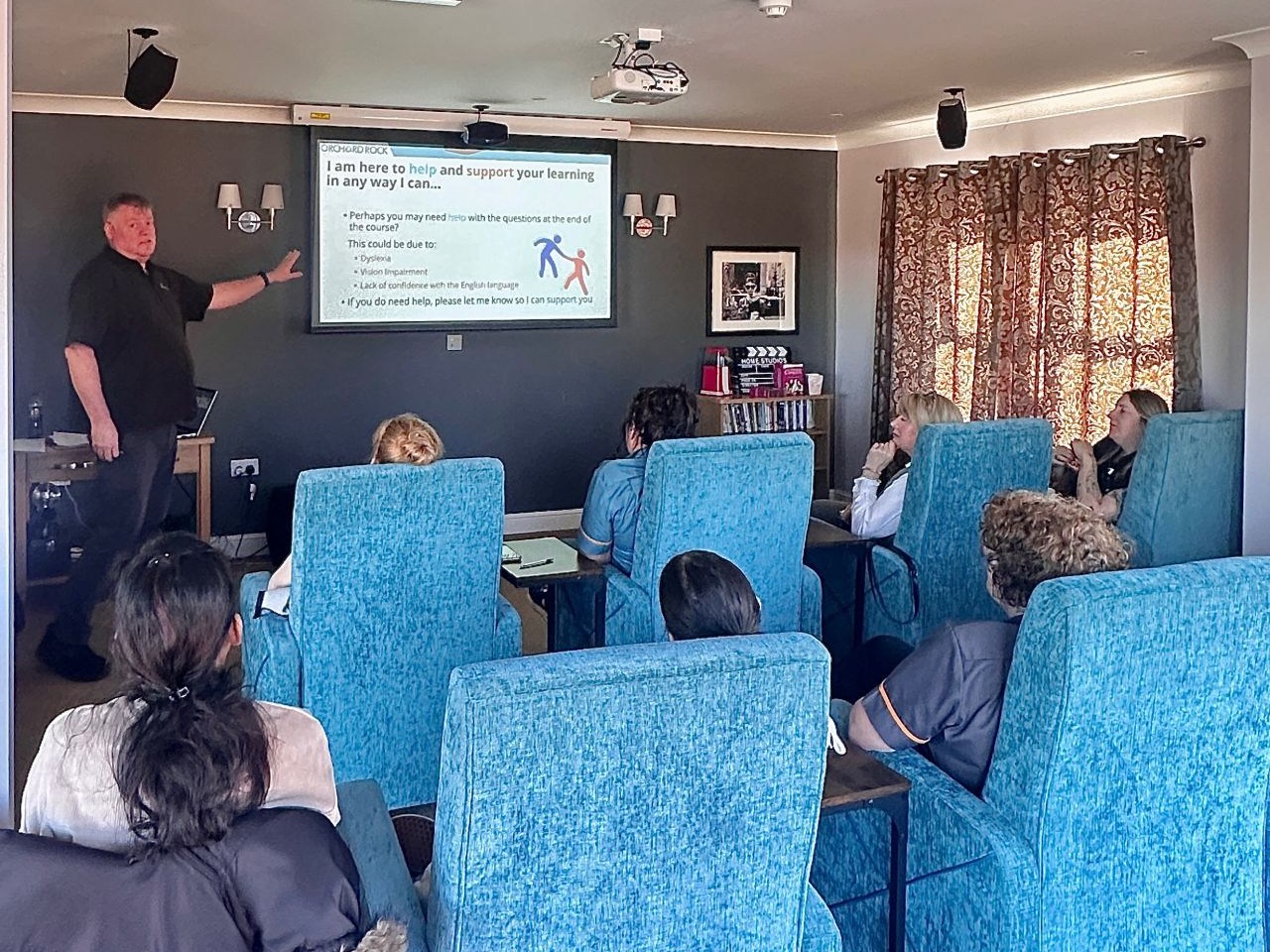
9:00: the learners arrive
One looked like they’d been up since 5. The other looked like they’d turned up for a wine tasting.
We bonded over “first-pass metabolism.” In short, the liver is the grumpy bouncer of the body. It breaks down some of a medicine before it reaches the rest of the body, which is one reason the route a medicine is given by matters.
Then someone confessed to washing down their antibiotics with milk and a Mars bar. We’ve all made choices. It was a useful moment, though: milk can stop some antibiotics working properly. That’s exactly why we check the instructions for every medicine, every time.
What a medication training day covers
Over the day we worked through:
- Covert medication: hiding medicine in food or drink. It’s only ever done after a mental capacity assessment and a best-interests decision, with advice from a pharmacist.
- MAR charts: filling them in accurately
- Ordering and storing stock
- Recording: why you never, ever forget to record
I even channelled my inner game show host:
“You’re the last line of defence! What do you check before giving paracetamol?”
It works. People remember the checks far better when they’ve shouted the answers out.
3:45: the home stretch
We finished with disposal and denaturing. There was also a firm reminder that giving the dog’s worming tablet to a resident is not an acceptable substitute.
4:00: packing up
I packed up to the words every trainer loves to hear: “I actually learned something.”
Another day, another dose of training delivered, with laughs, learning, and one fewer biscuit than I’d hoped for.