World Sight Day is on Thursday 8 October 2026. It is coordinated by the International Agency for the Prevention of Blindness (IAPB), and this year’s campaign puts people’s stories and lived experiences at the heart of eye health.
In care, that starts close to home. Sight loss can change how someone moves around, eats, reads, recognises faces and joins in. Yet it often develops slowly, so it is easy to miss.
Signs someone’s sight may be changing
According to the NHS, signs to look out for include:
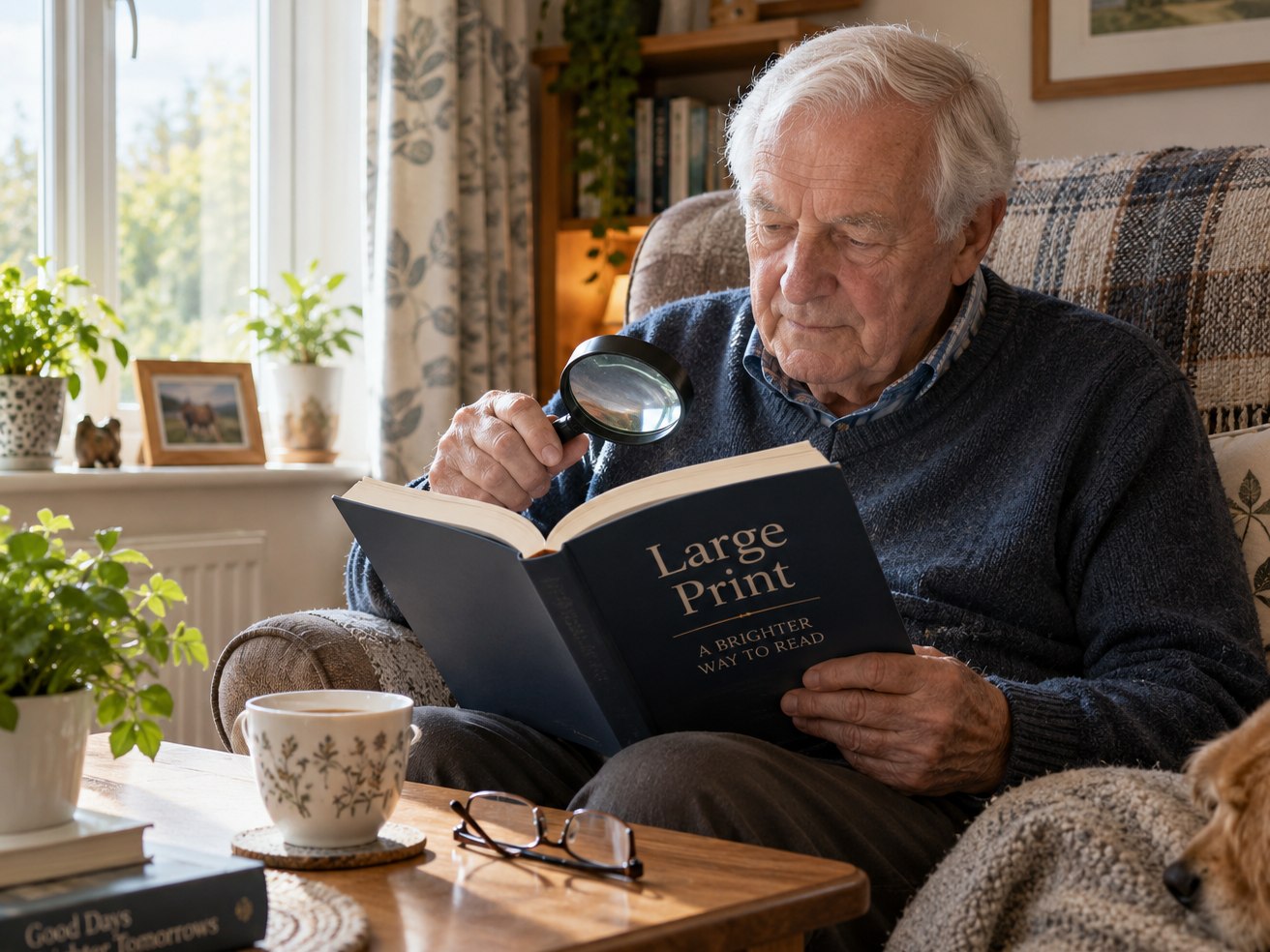
- finding it harder to read or watch TV
- discomfort in bright light
- trouble seeing at night
- blurred or cloudy vision, or a glowing ring around lights
- a distorted area in the middle of their vision
In everyday care you might also notice someone misjudging steps, knocking things over or stepping back from activities they used to enjoy. Write down what you see and share it with a senior colleague.
When it is urgent
The NHS advises calling 999 or going to A&E straight away if someone suddenly cannot see from one or both eyes, or has sudden severe eye pain. For blurred or double vision, flashing lights, dark shadows or eye pain, contact NHS 111 or a GP urgently.
Eye tests for the people you support
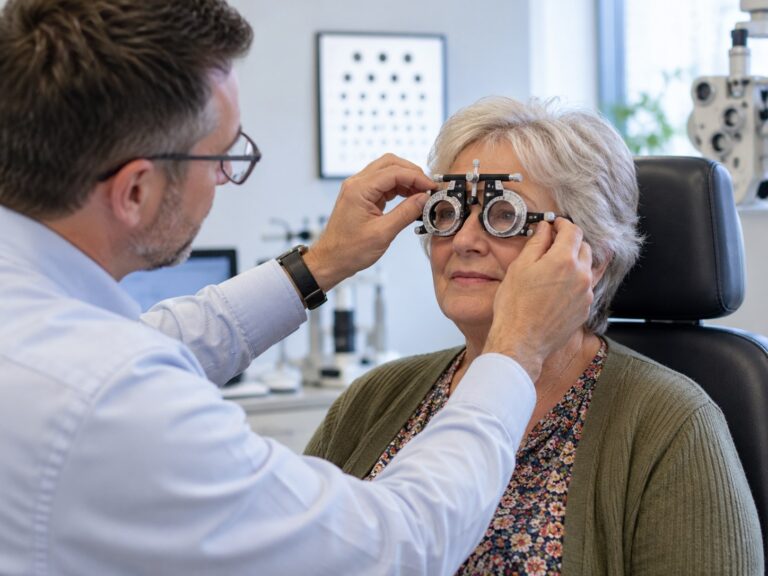
Early diagnosis and treatment may help stop someone’s vision getting worse, so regular sight tests matter. The NHS says people aged 60 or over, people with diabetes or glaucoma, and people registered as partially sighted or blind can have a free NHS sight test. If someone can’t leave home unaccompanied because of illness or disability, an optometrist can visit them, and this also covers residential care homes.
- Keep glasses clean and labelled, and make sure each person is wearing the right pair.
- Record eye test dates in the care plan and follow up any referrals.
- Think about lighting. Good, even light with less glare makes a real difference.
- Keep things where the person expects them, and tell them if anything has moved.
Communicating with someone with sight loss
RNIB’s advice is simple. Say hello, introduce yourself and ask what help the person would like, rather than assuming. Not everyone with sight loss uses a cane or wears dark glasses, so it is not always obvious. Try not to rely on gestures: “it’s over there” with a point means very little if someone can’t see where “there” is. Everyday phrases like “nice to see you” are fine.
In care, it also helps to say when you are leaving the room, describe what is on the plate and explain the layout of any new space.
How training helps
The right training helps your team notice changes early and support people with confidence. Courses that help include:
- Visual Impairment (half day): understanding sight loss and supporting people with it
- Sensory Loss (half day): supporting people with sight, hearing and other sensory loss
- Hearing Impairment (half day): supporting people with hearing loss
Sources: IAPB, World Sight Day 2026; NHS, Vision loss and Free NHS eye tests and optical vouchers; RNIB, Be Helpful guide. Correct as of 21 September 2026.