World Stroke Day is on Thursday 29 October 2026. The World Stroke Organization’s campaign message is simple: “Every M1nute Counts. Know the signs of stroke.”
In care, you may be the first person to notice something is wrong. So knowing the signs, and acting on them straight away, can make a real difference to someone’s recovery.
Remember FAST
The NHS uses FAST to help people recognise a stroke:
- Face: one side of the face may droop and it might be hard to smile
- Arms: they may not be able to lift both arms and keep them there, because of weakness or numbness in one arm
- Speech: they may slur their words or sound confused
- Time: to call 999
Other signs
The NHS also lists weakness or numbness down one side of the body, problems with vision, difficulty finding words, confusion, dizziness or falling, a severe headache, and feeling or being sick.
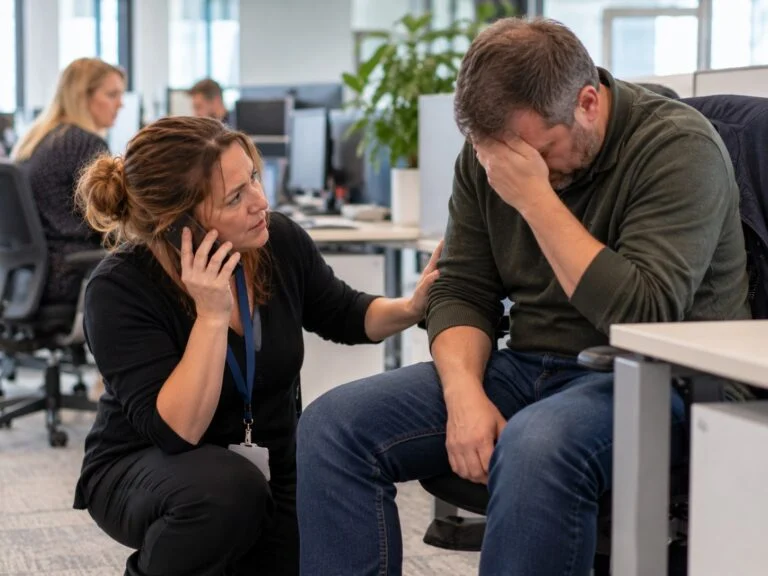
Don’t wait
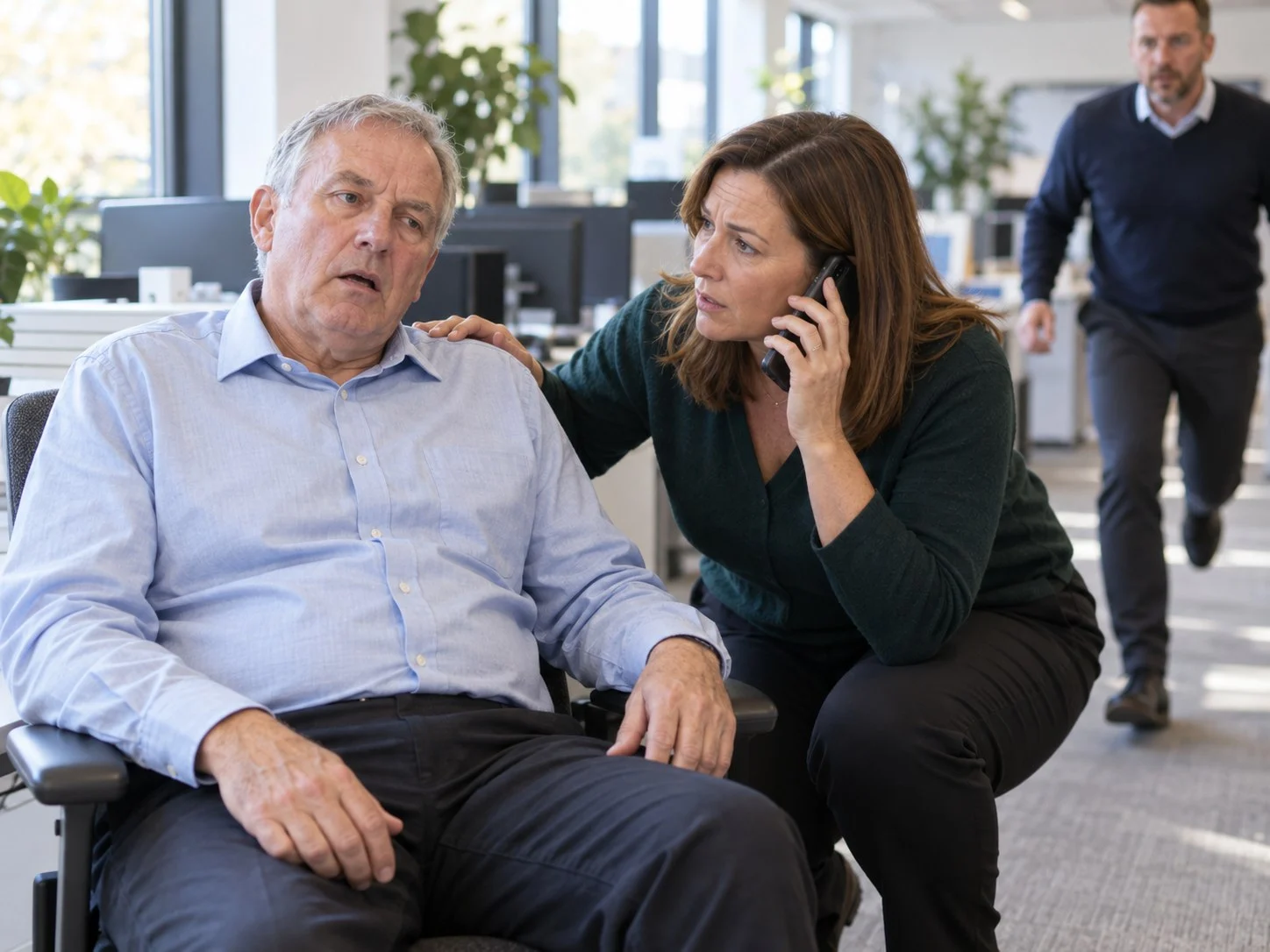
Call 999 straight away if you think someone is having a stroke. The NHS points out that symptoms can sometimes stop after a short time, but you should still get medical help immediately. While you wait, stay with the person, note the time the symptoms started and follow your first aid training.
Supporting recovery
After a stroke, people may have one-sided weakness, tiredness, changes in mood or problems with speech and swallowing. Follow the care plan and any advice from the stroke team, give time to communicate, and report any new changes quickly. Clear handovers help the whole team spot change early.
How training helps
Training helps your team recognise a stroke quickly and support people well afterwards. Courses that help include:
- Stroke Awareness (half day): recognising and responding to a stroke
- Neurological Observations (half day): monitoring and recording neurological changes
- Recognising Deterioration (half day): spotting when someone is becoming unwell
- Dysphagia & IDDSI (half day): supporting people with swallowing difficulties
Free resources
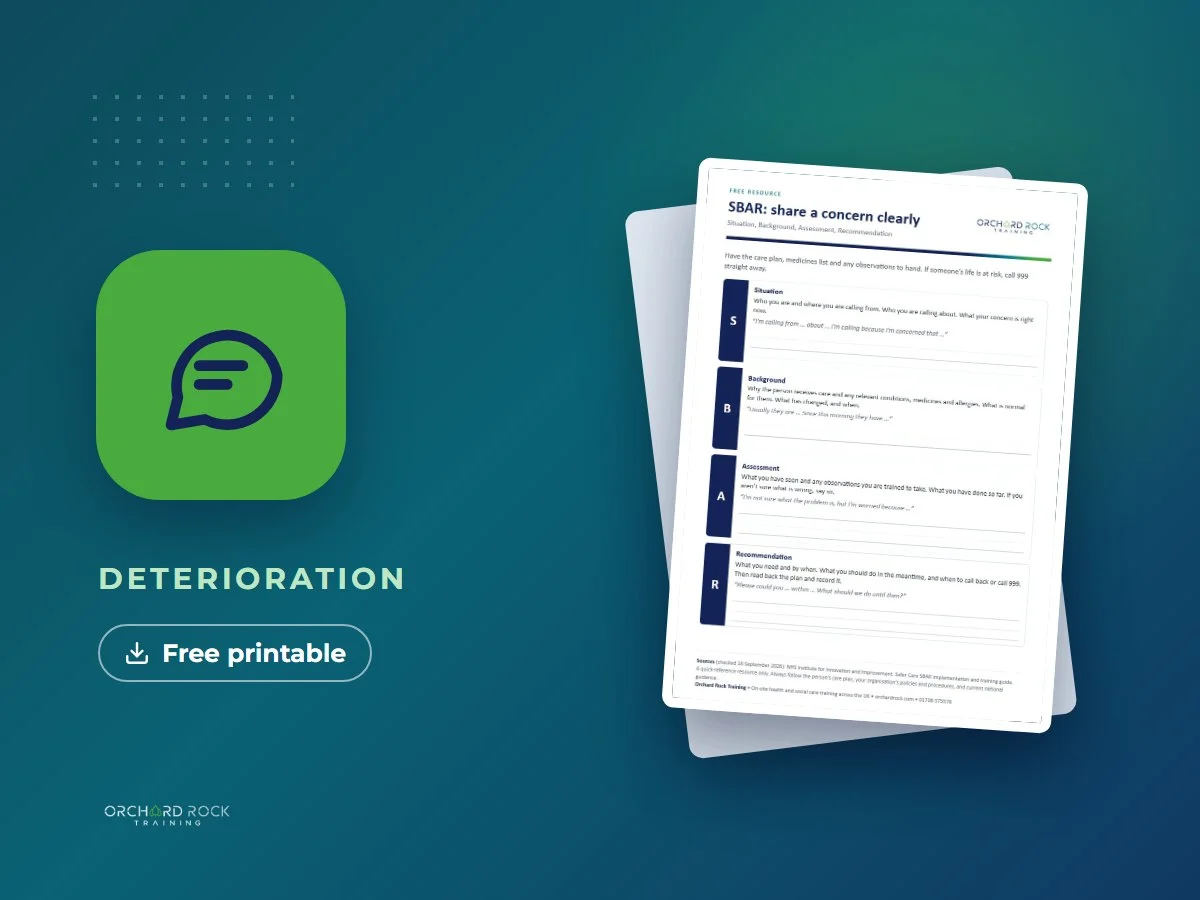
Download, print and share these with your team.
Sources: World Stroke Organization, World Stroke Day 2026; NHS, Stroke symptoms. Correct as of 21 September 2026.