The International Day of Older Persons falls on Thursday 1 October. The United Nations uses the day to call for older people’s voices to be heard in the decisions that affect them, for an end to age discrimination, and for societies that include everyone.
In care, that starts with something simple. Ask, rather than assume.
Listen first
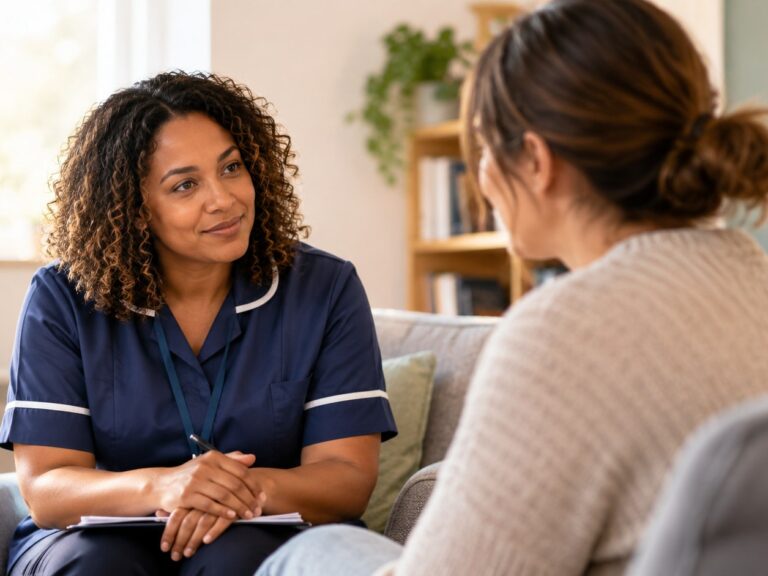
Age tells you when someone was born. It does not tell you what they want for breakfast, whether they still manage their own money, or how they like to spend a Sunday. So ask the person, and write down what they say.
Then watch for the small habits that quietly take choice away: answering for someone, hurrying a decision, or talking over their head to a relative. Above all, speak to the person first, even when someone else is with them.
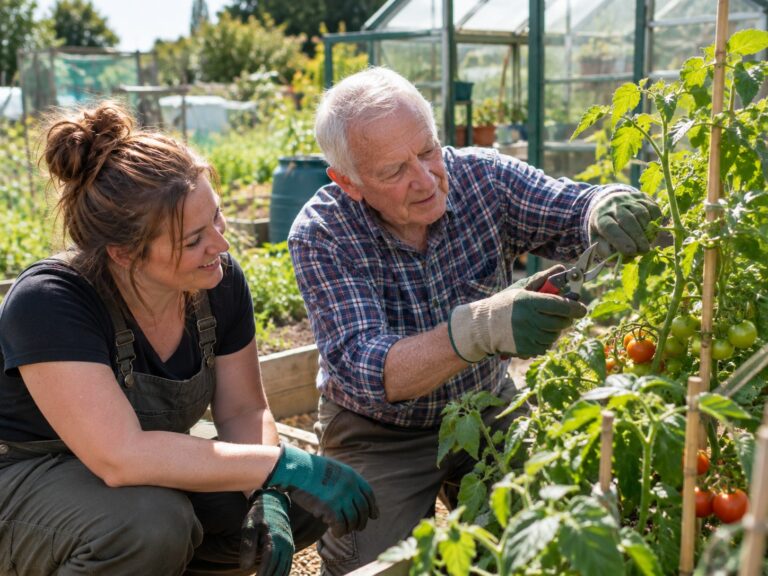
Independence is built from small things
Falls take away confidence as well as independence, and the NHS says changes at home really can prevent them. For example:
- staying active, with strength and balance activities at least twice a week
- shoes and slippers that fit well, grip, and stay on
- grab rails in the bathroom and safety rails on steps
- eating and drinking enough, because not doing so can leave someone lightheaded
- looking after bone health, with calcium and enough vitamin D
If someone does fall, keep them warm and comfortable and never try to lift them on your own. Help them change position roughly every half an hour while they wait, because that helps prevent pressure damage. Call 999 if they are hurt, unwell or in pain, and use NHS 111 if you are unsure.
Loneliness is a care need too
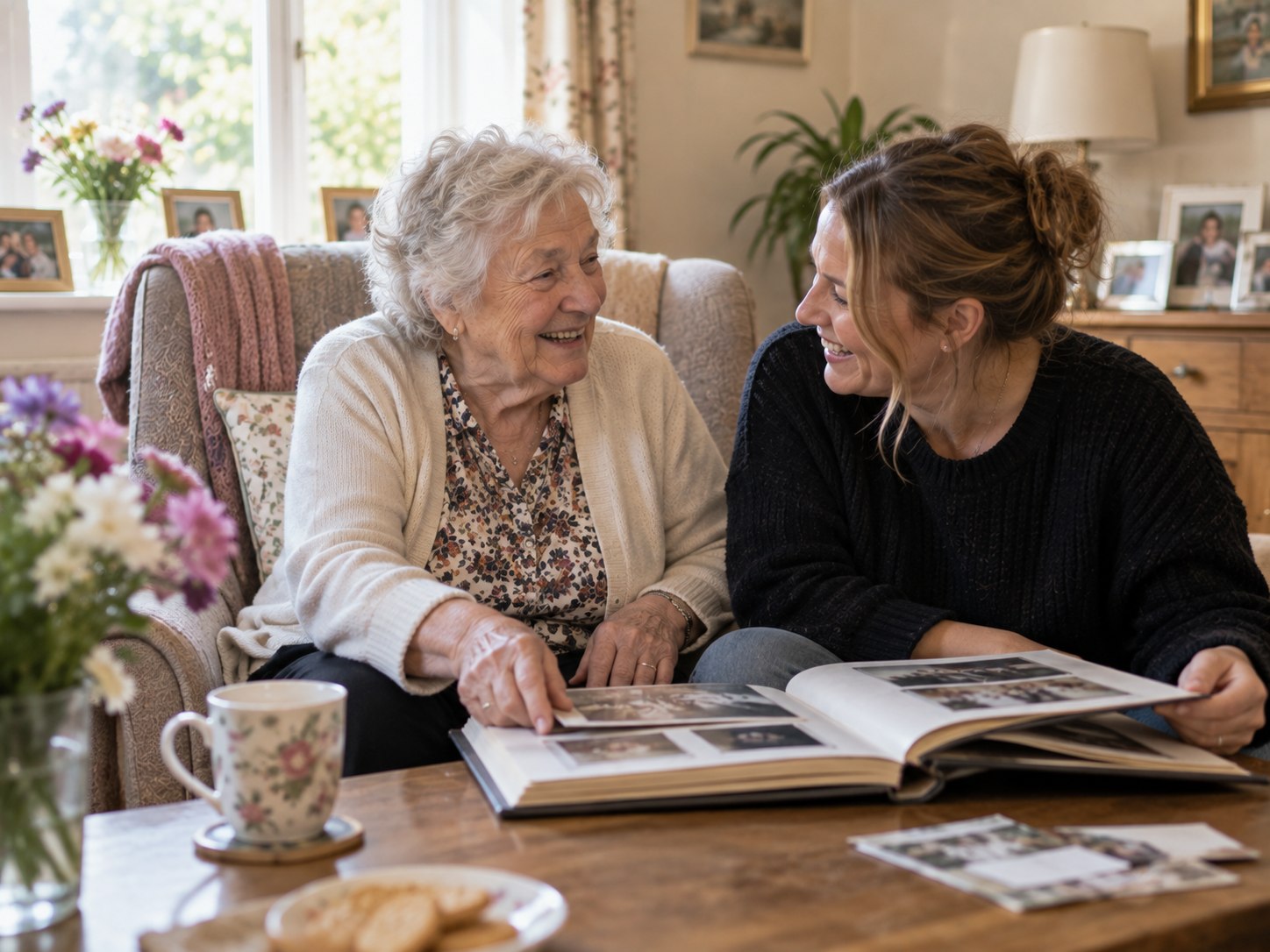
Company matters as much as a care plan. The NHS suggests joining a group or class built around something the person enjoys, visiting places where they are simply among other people, and peer support, where people use their own experience to help each other. A GP can also arrange social prescribing, where a link worker finds local activities and support.
Start small. One short visit, one phone call, or one afternoon a week does more than a plan nobody keeps.
How training helps
Training gives your team the confidence to ask, to listen and then to act. Courses that help include:
- Person-Centred Care (half day): planning care around the person and what matters to them
- Privacy & Dignity (half day): dignity, privacy and choice in everyday care
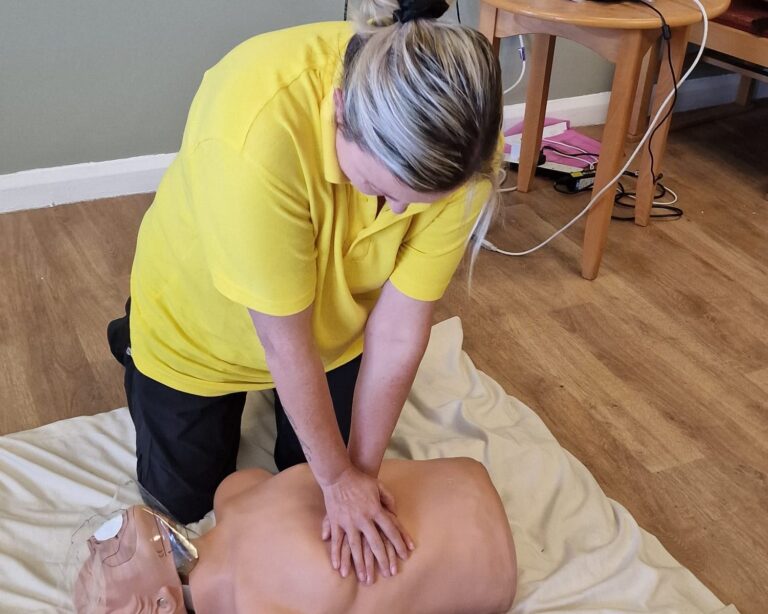
- Falls Management (half day): risk, prevention and what to do after a fall
- Meaningful Activity (half day): activities that suit the person, not the rota
- Nutrition & Hydration (half day): eating and drinking well, and spotting when someone is not
Free resources
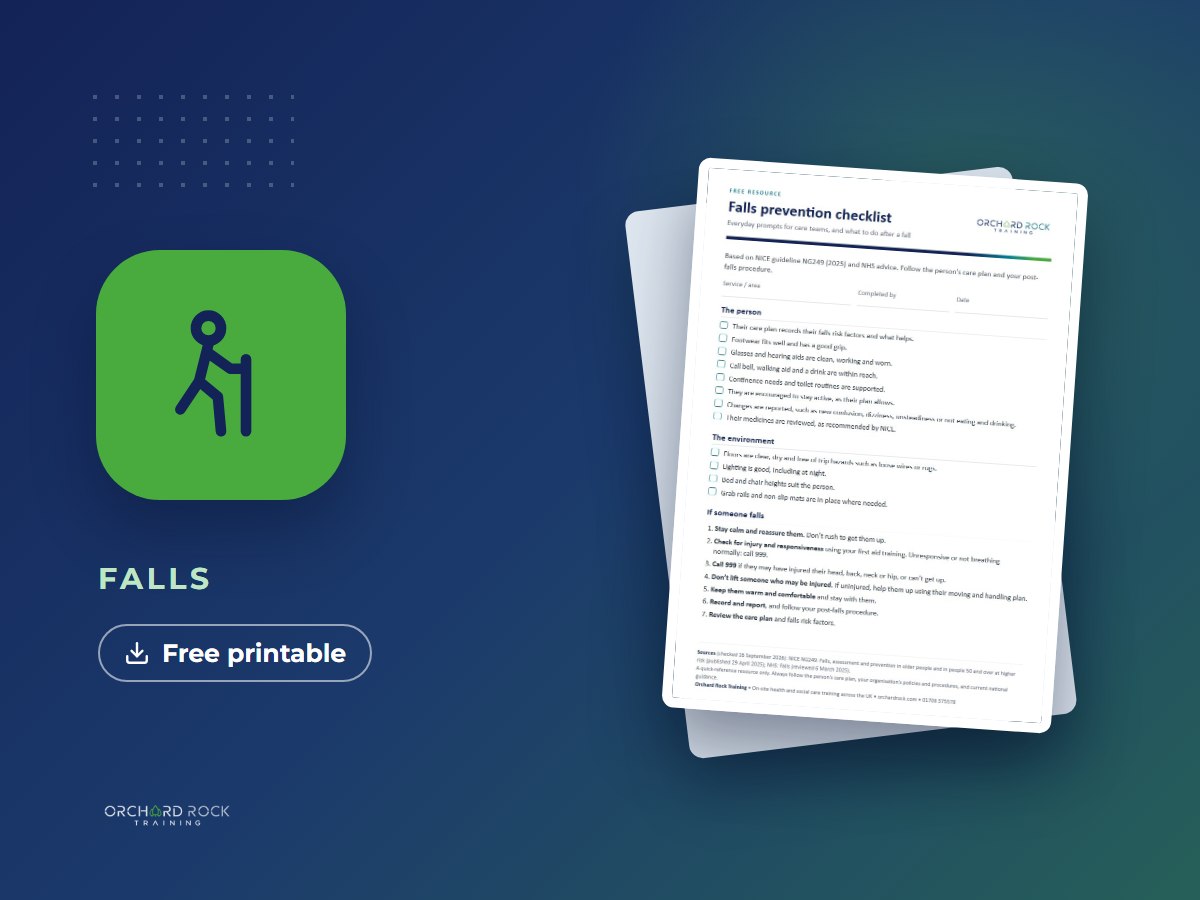
Download, print and share these with your team.
Sources: United Nations, International Day of Older Persons; NHS, Falls; NHS, Loneliness. Correct as of 23 September 2026.