
Moving & Handling
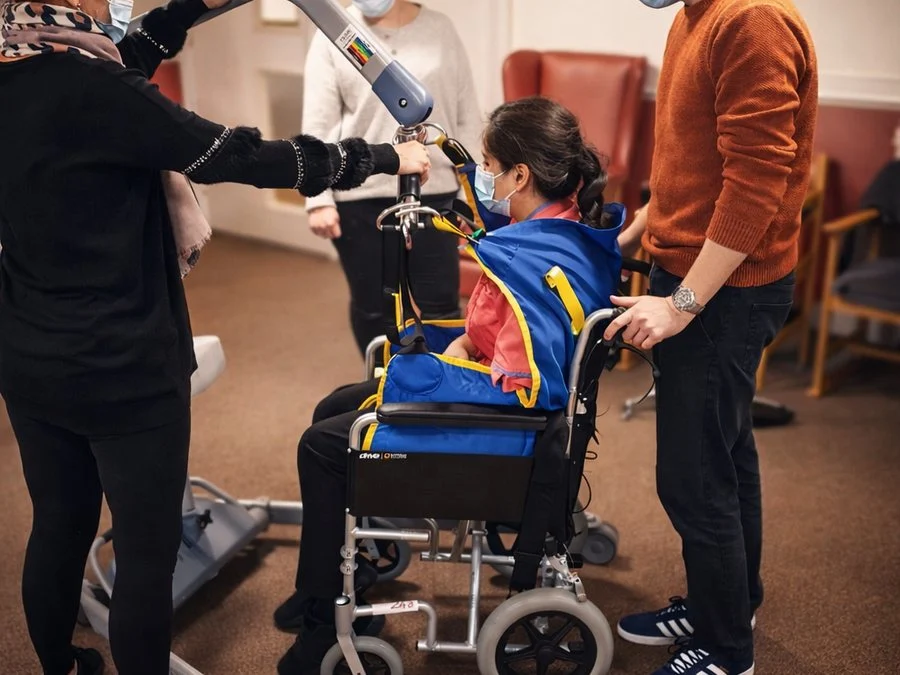
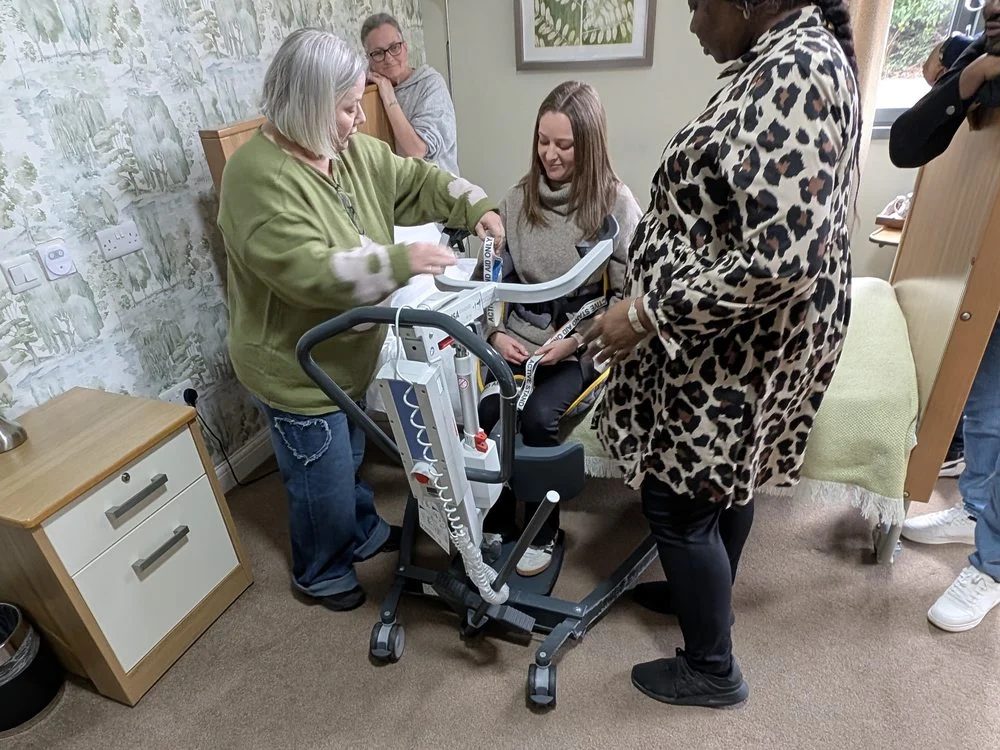
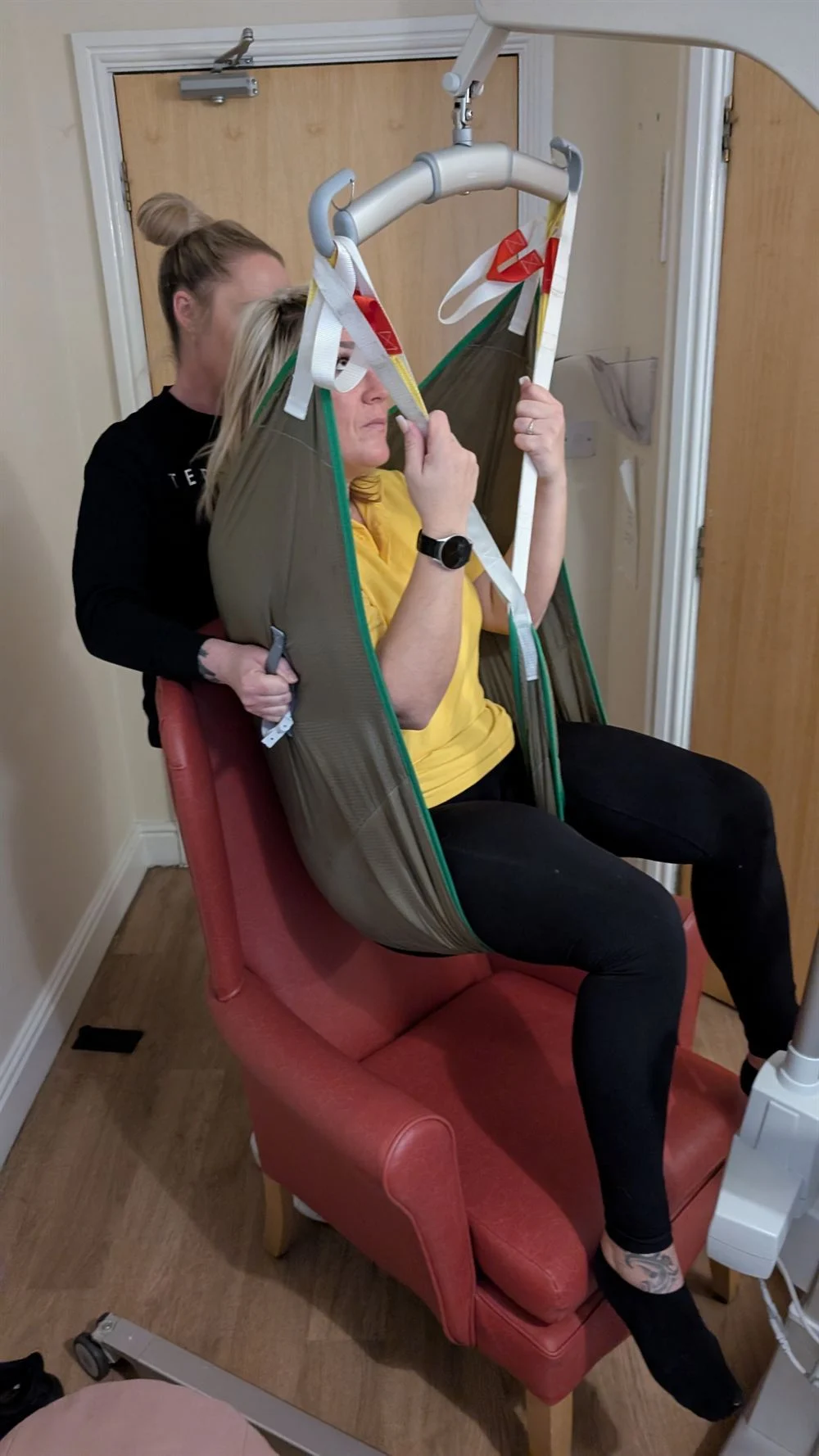
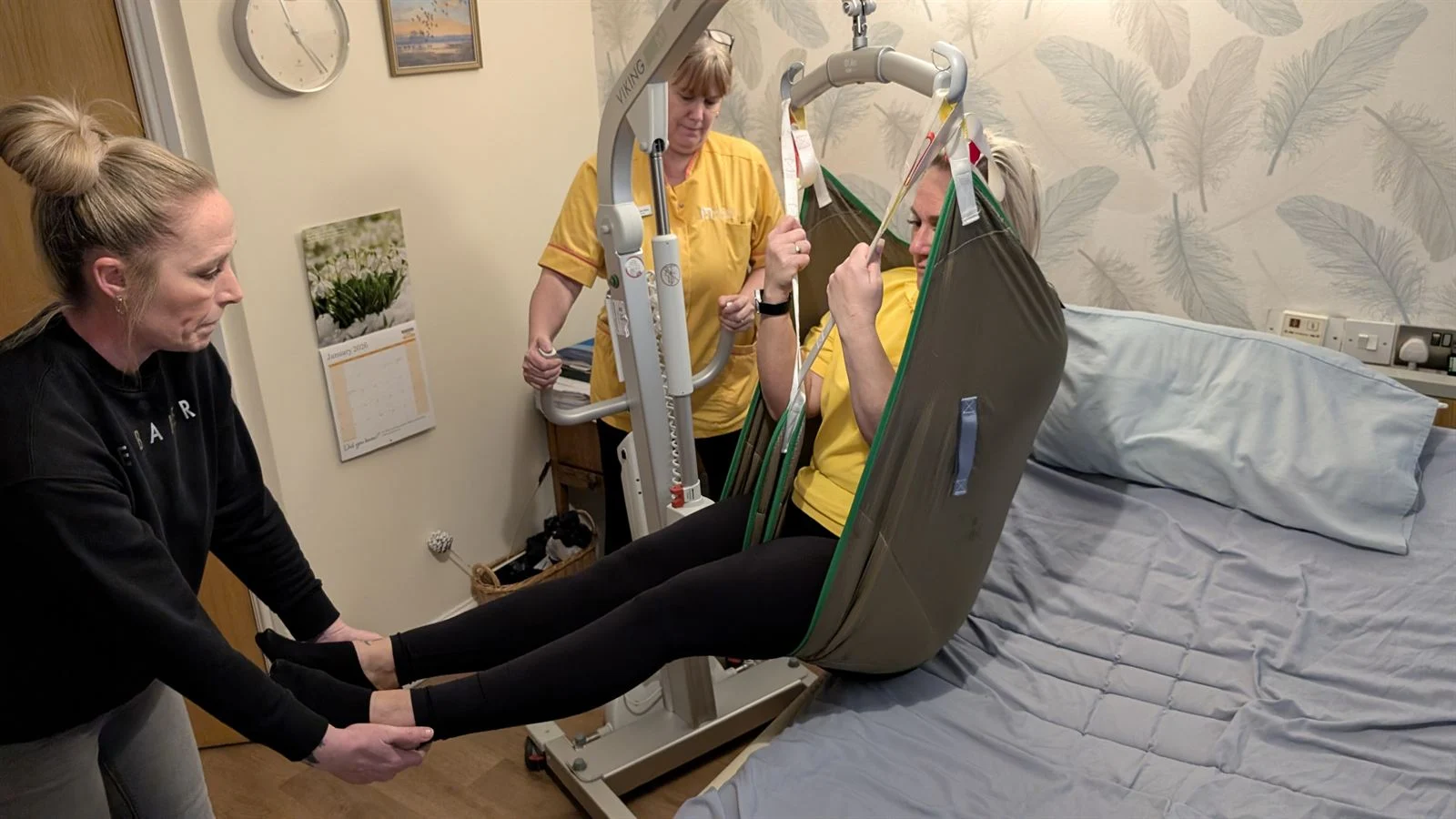
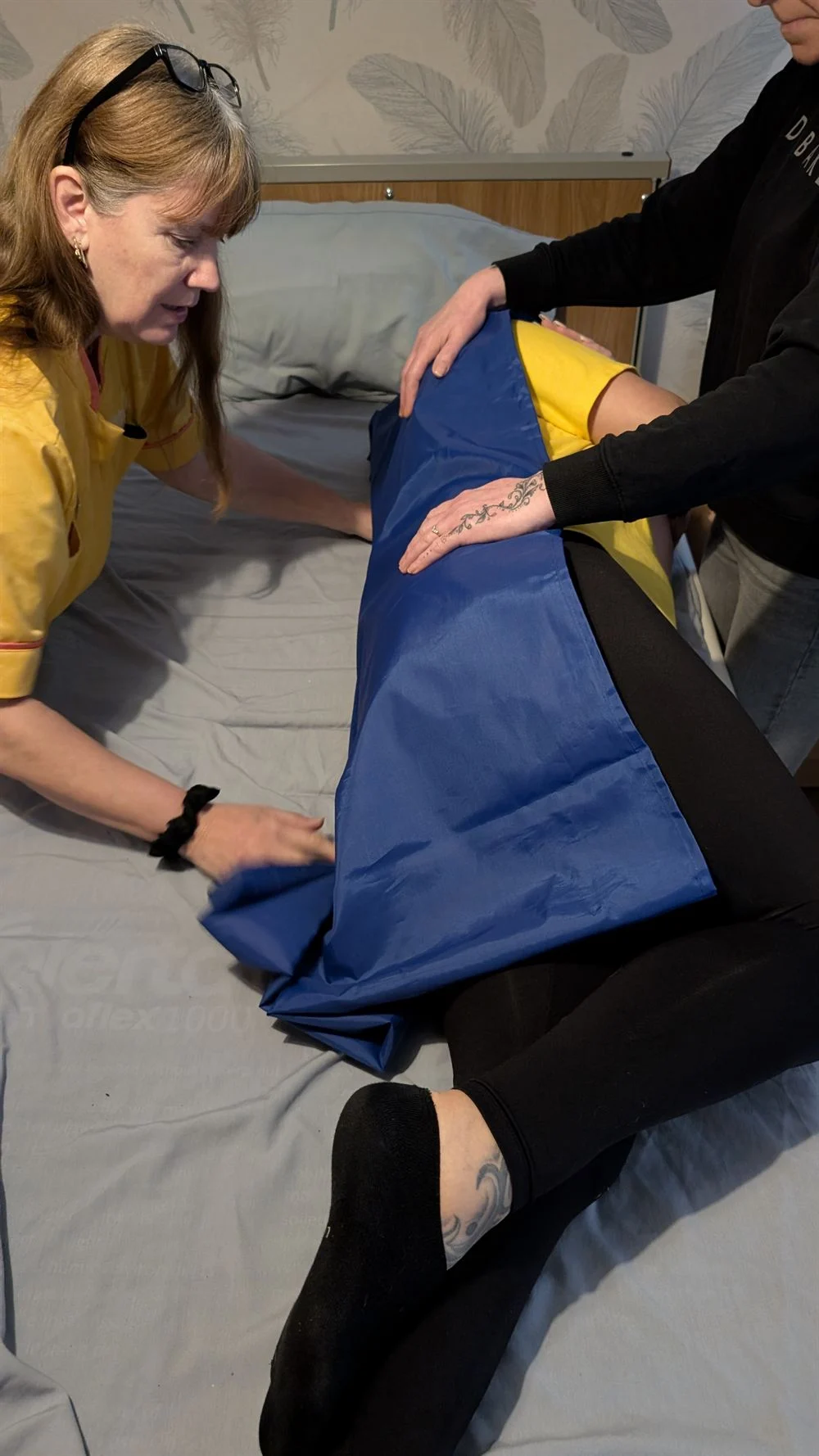
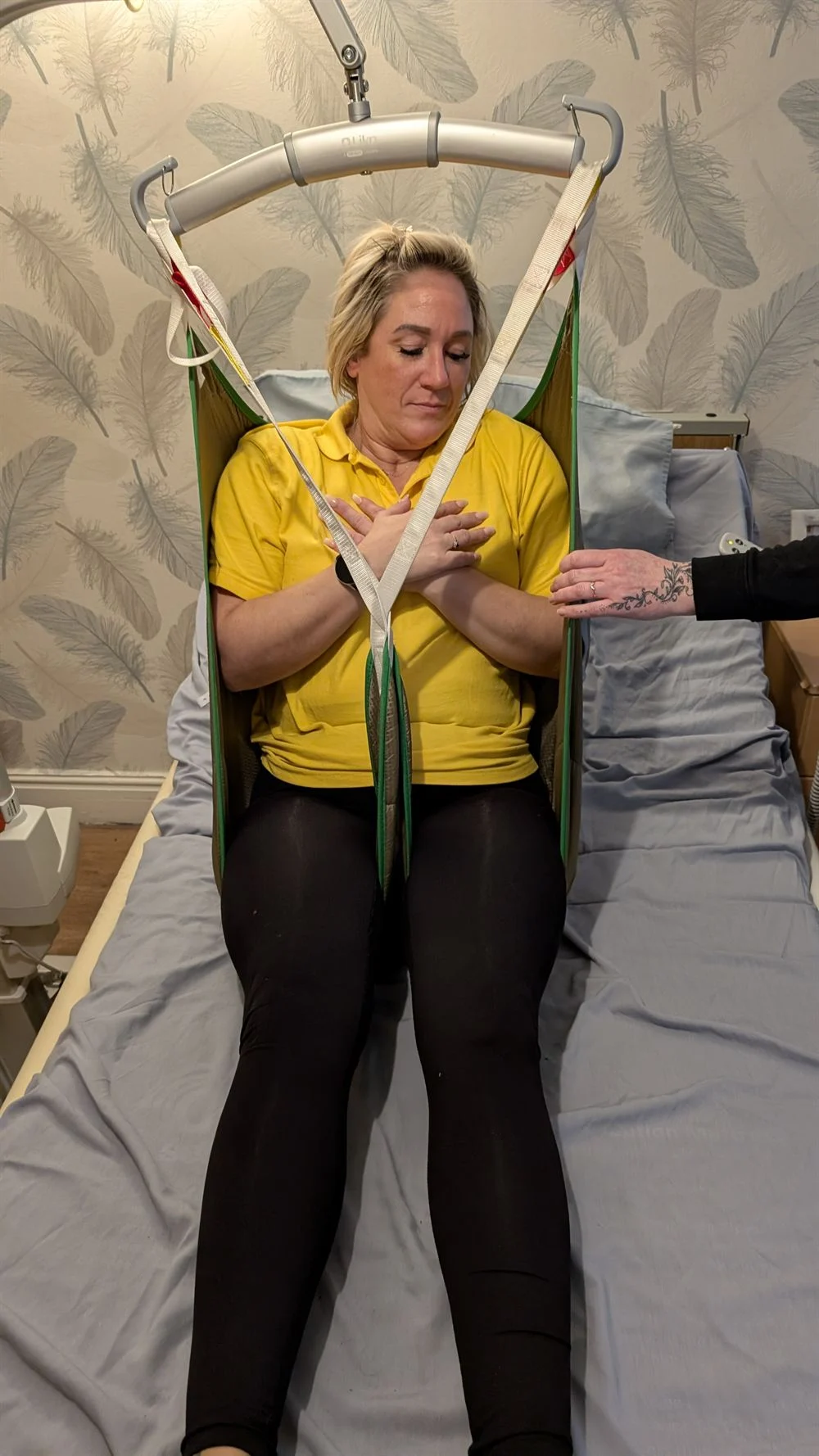
Move people safely and with dignity. This full-day course combines the theory of safe moving and handling with hands-on practicals covering sit to stand, slide sheets, stand aids, the Sara Stedy and hoists.


About the course
Move people safely and with dignity, every time
This course gives your team the technique and confidence to move people without injury to themselves or the people they care for. Theory covers the law, the spine and ergonomics; the practical session covers everything from sit to stand to hoisting. By the end of the course, delegates will:
- Explain the UK legislation that governs moving and handling in care settings (HASWA, MHOR, LOLER, PUWER, RIDDOR)
- Apply the MHOR 1992 hierarchy of control: avoid, assess, reduce
- Describe the anatomy of the spine and how poor technique causes injury
- Apply safe lifting principles, ergonomics and biomechanics to everyday tasks
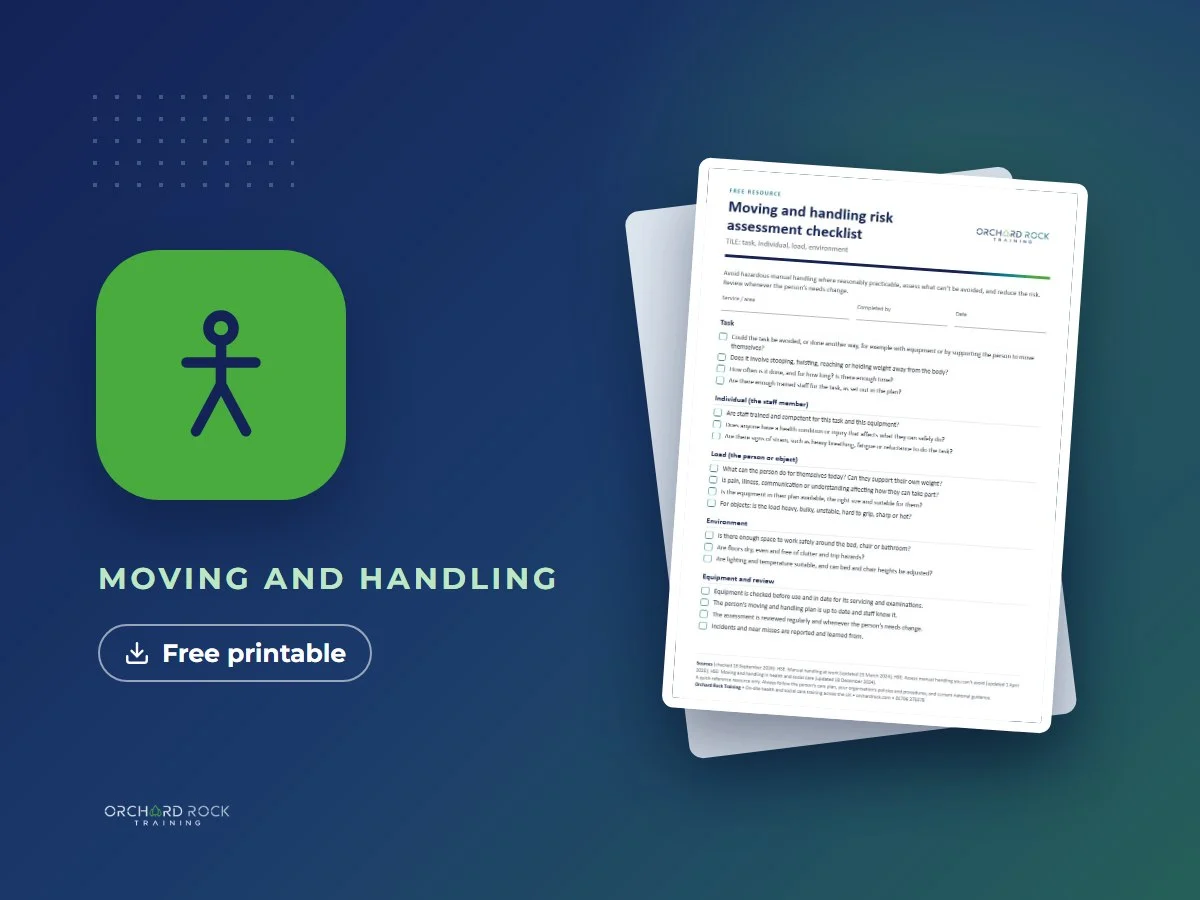
- Carry out a TILE risk assessment before a handling task
- Explain why older people often need help with mobility, including the impact of common medical conditions
- Recognise the psychological factors that lead staff to take unsafe risks
- Identify and avoid all banned and unsafe moving techniques
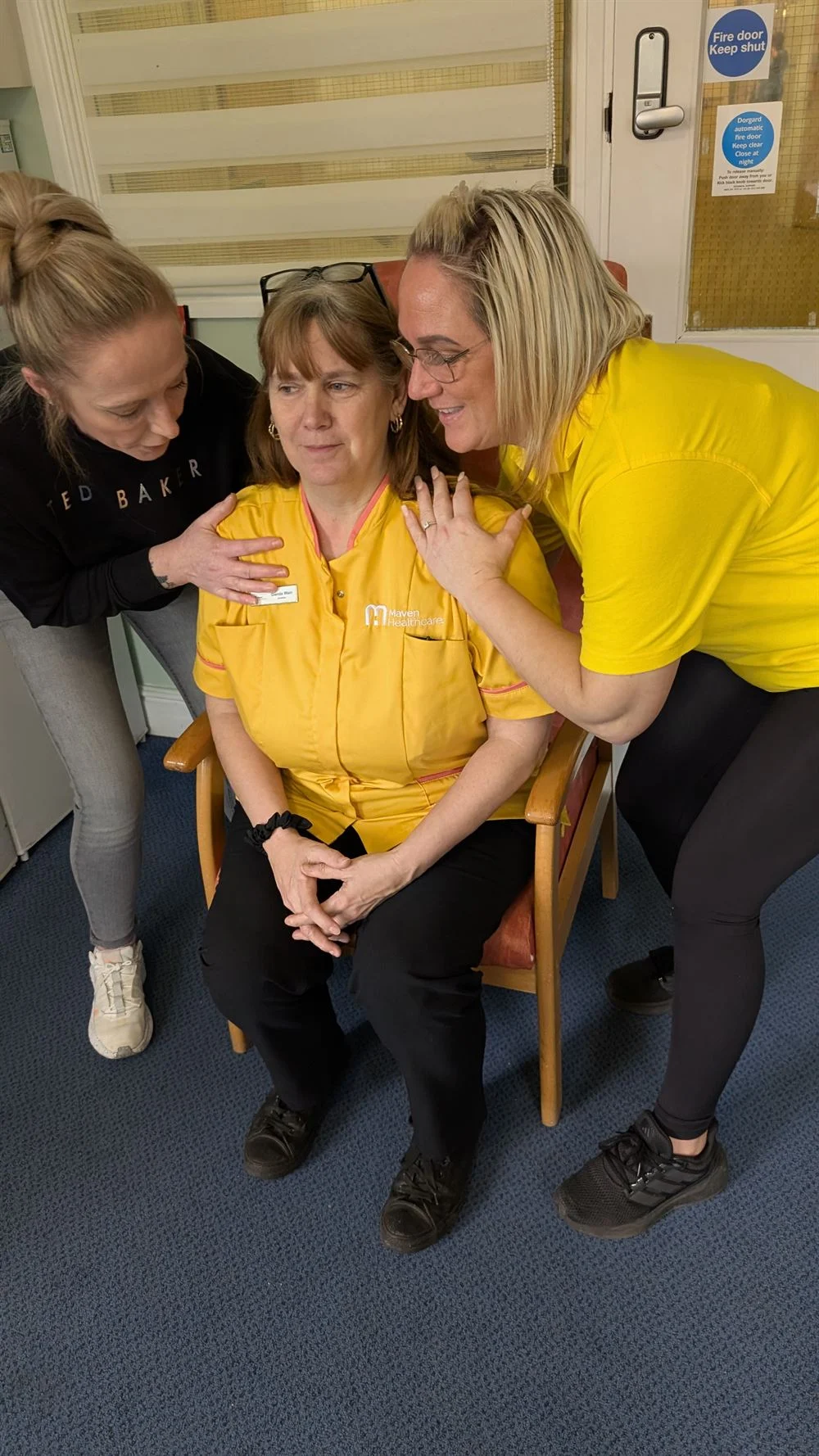
- Safely move a person out of a chair and back into it
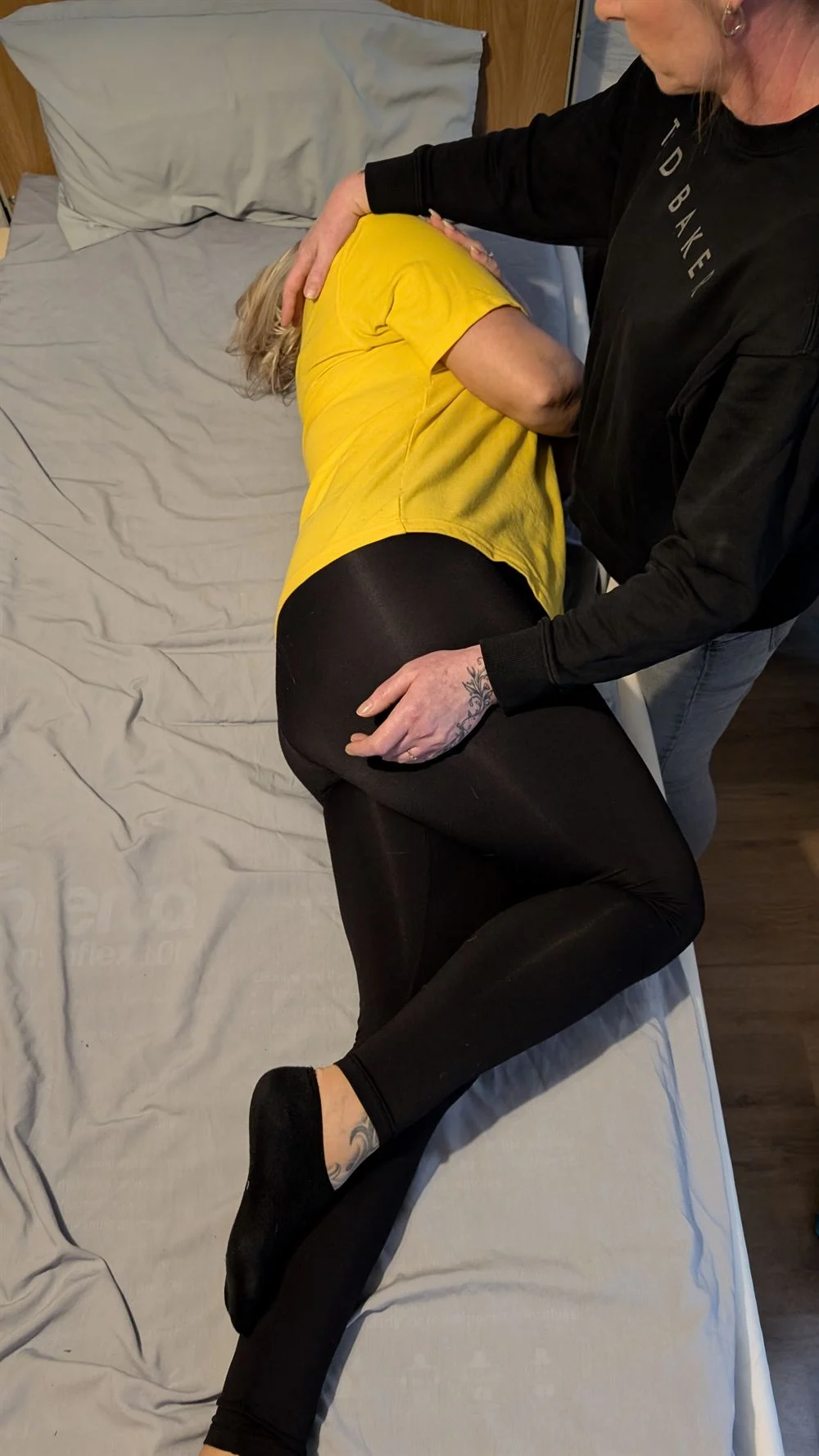
- Use slide sheets correctly and safely
- Use a stand aid and the Sara Stedy correctly and safely
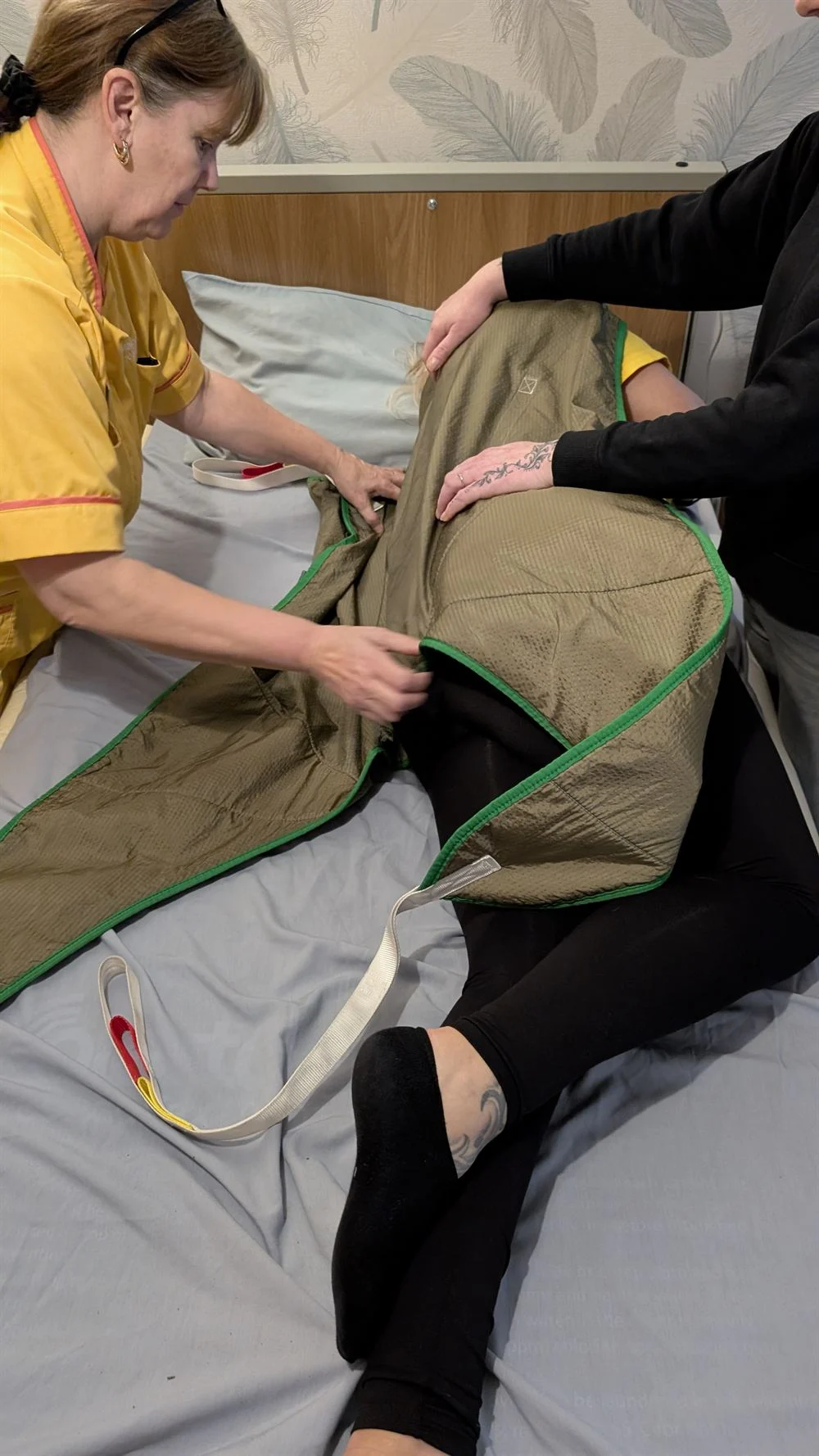
- Use a hoist correctly and safely, including LOLER equipment checks

What you’ll cover
Full course content
The morning covers the theory; the afternoon is spent on practical techniques with the equipment your team uses every day.
Legislation & your responsibilities
- MHOR 1992: the hierarchy of control
- LOLER 1998
- PUWER 1998
- RIDDOR 2013
- Employer responsibilities
- Employee responsibilities
Anatomy of the spine & common back conditions
- Anatomy and function of the spine
- Common back conditions linked to manual handling
- Manual handling injuries in social care
Ergonomics, biomechanics & risk assessment
- What is ergonomics?
- Biomechanics of safe lifting
- The TILE model: assessing every handling task
- Controlling the risk in the moment
Why older people need assistance with mobility
- The physical effects of ageing on mobility
- Frailty and falls risk
- Supporting mobility while promoting independence
How medical conditions affect mobility
- Stroke
- Parkinson’s disease
- Arthritis
- Dementia
- Osteoporosis
- Diabetes
- Cardiac & respiratory conditions
- Visual impairment
The psychology of risk-taking
- Time pressure
- Workload and short-staffing
- Normalisation of deviance
- Overconfidence
- Wanting to avoid causing distress
- Why this matters
Safe lifting technique
- Principles of safe lifting technique
- National Back Exchange
Unsafe and controversial techniques
- Australian (shoulder) lift
- Drag lift
- Orthodox lift
- Bear hug (axilla) lift
- Cradle lift
- Through-arm lift
- Neck hold
- Flip / log-roll turn on bed
Moving people: practical techniques & equipment
- Moving someone from sitting to standing to sitting
- Use of slide sheets in care homes
- Use of stand aids in care homes
- Use of the Sara Stedy in care homes
- Use of hoists in care homes
Keep exploring
Related mandatory courses
Teams booking this course often pair it with these subjects. All are delivered on-site, and we can combine courses into one visit.
Good to know
Frequently asked questions
Where is the training delivered?
All of our training is delivered on-site at your care home or workplace, anywhere in the UK. We come to you, so there are no travel costs or venue hire for your team.
How long is the Moving & Handling course?
It runs as a full day (6 hours) course, delivered in one visit unless stated otherwise.
How many delegates can attend?
Up to 12 delegates per session. We keep practical groups smaller so everyone gets hands-on time.
Is there a practical element?
Yes, delegates practise the techniques hands-on during the course, guided by the trainer.
Do delegates receive a certificate?
Yes, every delegate receives a certificate on completion. We recommend refreshing every year.
How much does the course cost?
We price every course on application, based on your dates, location and delegate numbers. Use the contact buttons below. We reply quickly with a quote.
Can we combine courses into one visit?
Yes. Many clients build a full training day from shorter courses, and we can deliver several subjects in one visit. Just tell us what your team needs.
Do you only train care providers?
No. This course suits care & nursing homes, home care, supported living, hospitals, special schools & SEN settings. If your sector isn’t listed, ask and we’ll tailor the course to your setting.
Often booked with Moving & Handling
Clients often book these for the same visit, so the whole team trains on one day.
 First AidBasic Life Support (BLS)Half day (3 hours)
 MandatoryFire MarshalFull day (6 hours)ClinicalPressure Ulcer PreventionHalf day (3 hours)First AidFirst Aid AwarenessHalf day (3 hours)
 First AidEmergency First Aid at Work (EFAW)Full day (6 hours)Behaviour ManagementPositive Behaviour SupportHalf day (3 hours)ClinicalWound CareHalf day (3 hours)Leadership & ManagementCare Planning & Person-Centred CareHalf day (3 hours)
Book this course
We bring Moving & Handling training to your care home
Delivered on-site at your service, nationwide, with pricing on application. Tell us your dates and delegate numbers and we’ll reply quickly with a quote.
Part of our mandatory training range. Also explore clinical training and first aid courses.