
World Menopause Day falls on Sunday 18 October. The International Menopause Society founded the day in 2009 and still leads it, choosing a theme each year to raise awareness and improve women’s experience of menopause around the world.
For employers, it is a useful prompt. Many of your most experienced people are going through it right now, and most of them have told nobody.
What menopause actually looks like at work
The NHS describes menopause and perimenopause as a natural part of life, usually between 45 and 55, though it can happen earlier. Acas adds that symptoms often last about four years, and sometimes a good deal longer.
Symptoms vary enormously from person to person. However, the ones that show up at work most often include:
- hot flushes and night sweats, which can bring palpitations, anxiety or dizziness
- broken sleep, which then leaves someone irritable, stressed and exhausted
- low mood, mood swings, and problems with memory or concentration
- headaches and migraines that are worse than usual, and urinary symptoms
The NHS also notes that ethnic background can affect symptoms: women from a Black ethnic background are more likely to have hot flushes that are severe and last longer.
Who it affects
Acas is clear that menopause affects women and other people who have a menstrual cycle, including trans and non-binary people, and people with variations in sex characteristics. Therefore everyone deserves the same support.
Men belong in the conversation too, and in the training, because they manage, work alongside and live with people going through it.
What actually helps
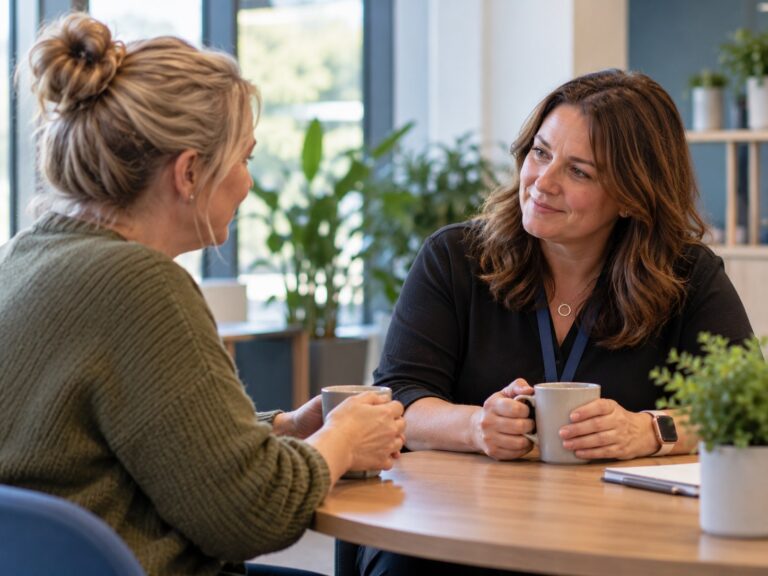
Acas asks employers to have early and regular conversations, rather than waiting for a problem. So start by asking what would help, then look at the job itself: a uniform that makes flushes worse, a hot corner of the building, or a shift pattern that makes broken sleep harder to manage.
Train your managers as well. If people know a manager understands the different stages of menopause, knows what support exists and will handle it sensitively, they are far more likely to ask. Above all, keep it normal and private, not a special case.
Menopause also sits inside your ordinary health and safety duties, so include it when you assess risks in the workplace, including for people working from home.
Where employers stand in law
Menopause is not a protected characteristic of its own under the Equality Act 2010. However, Acas explains that treating someone less favourably because of their symptoms can still be discrimination when it links to age, sex or disability. In some cases menopause counts as a disability, and then the employer must make reasonable adjustments, for example recording menopause-related absence separately from other sickness absence.
Acas also points to the Health and Safety at Work Act 1974, and notes that the Employment Rights Act 2025 has introduced action plans covering menopause and the gender pay gap.
How training helps
Training gives managers the words, and gives everyone else permission to speak up. Courses that help include:
- Wellbeing (half day): looking after your own health at work, and supporting colleagues
- Stress at Work (half day): spotting pressure early and doing something about it
- Mental Health Awareness (half day): understanding low mood and anxiety, and how to respond
- Equality & Diversity (half day): fair treatment and the Equality Act in practice
- Leadership & Management (full day): confident, supportive conversations with your team
Free resources
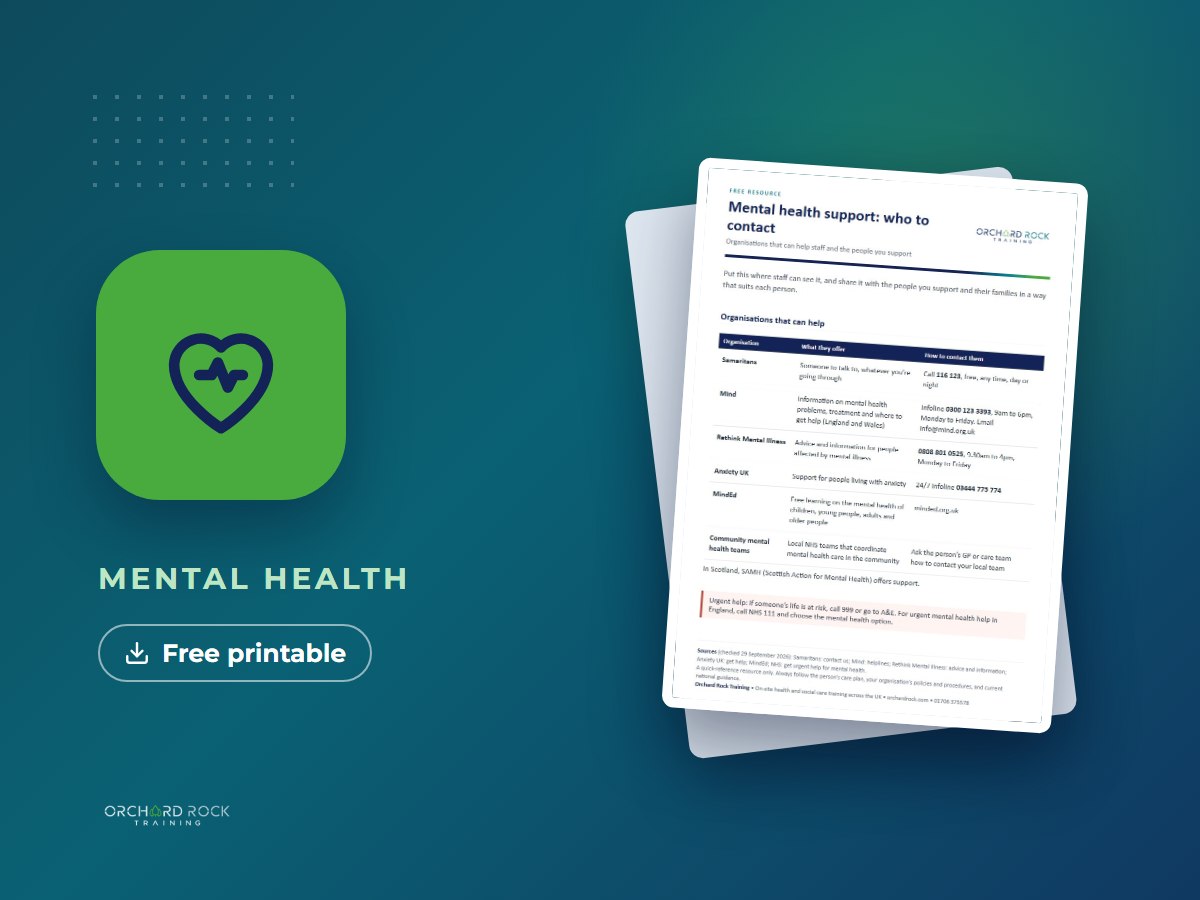
Download, print and share these with your team.
Sources: International Menopause Society, World Menopause Day; NHS, Menopause and perimenopause and symptoms; Acas, Menopause at work. Correct as of 23 September 2026.